
Climate Change in the Era of Competing Crises: Young Elected Leaders Sharing Success Stories”
The 2026 Edition of the YELL Summit brought together 12 Young Elected Local Leaders for a two-day meeting focused on the theme “Climate Change in the Times of Competing Crises”. The event was co-organised with the Renew Europe group in the Committee of the Regions, LYMEC and the Young Democrats of Europe. The focus of the event was to facilitate a conversation on climate policy at the local level. In today’s increasingly complex and crowded landscape, where one crisis follows another – from war and insecurity to inflation and rising costs, shifting geopolitical dynamics, and growing pressure on public services and budgets- keeping climate on the agenda is more challenging than it was a decade ago.
Against this backdrop, local and regional leaders came together to exchange experiences and share best practices on how they maintain a focus on climate action in their respective regions. Throughout the summit, particular attention was given to liberal and democratic approaches, as well as concrete policy solutions, political strategies, and the difficult trade-offs involved in pursuing climate action at the local level.
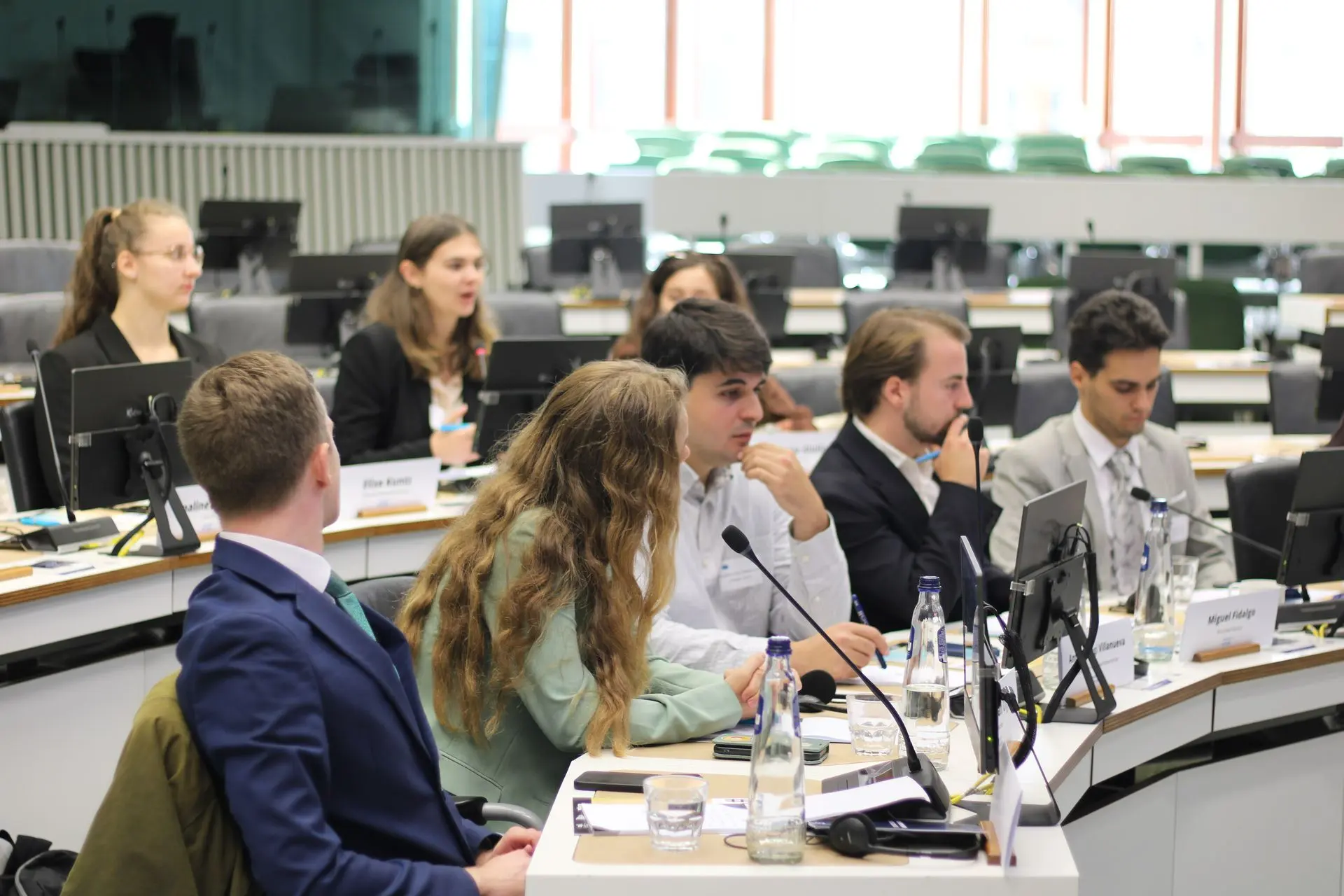
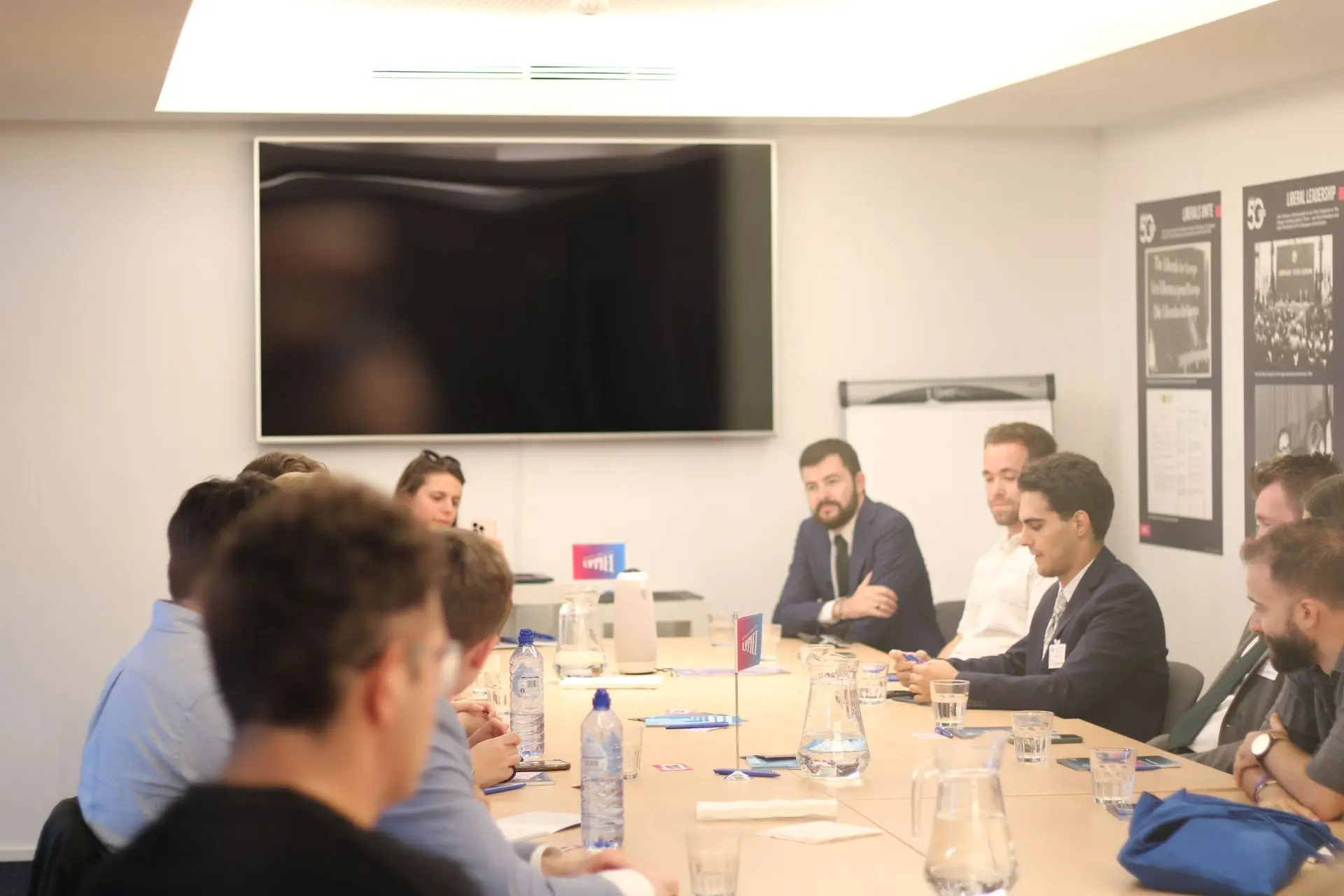
The programme started with a visit to the European Parliament and a Meet-and-Greet at the LYMEC office, providing an initial setting for participants to network and exchange experiences and perspectives as young elected officials.
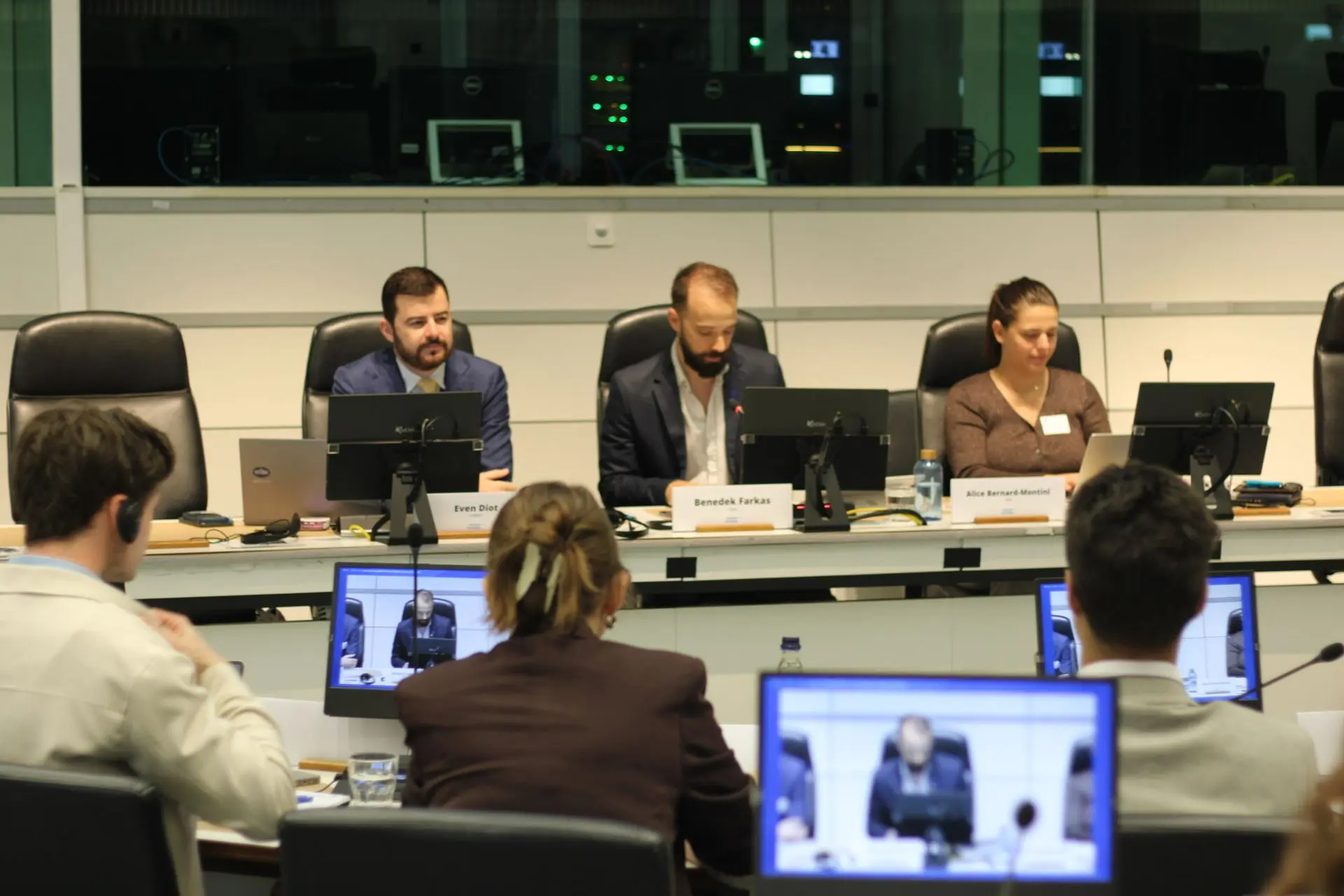
The second day began at the European Committee of the Regions with the Summit itself. Chaired by Benedek Farkas, Member of the Local Assembly of the Town of Budaörs, Hungary, the Summit opened with a discussion on how Young Liberal Leaders can keep climate action on the political agenda.
Participants shared experiences of climate-friendly initiatives that initially faced some resistance from citizens, but ultimately delivered positive outcomes. These examples highlighted the importance of communicating the wider benefits of climate measures and demonstrating their impact in people’s everyday lives.
The discussion covered a range of concrete policy areas, including waste management, the energy transition, mobility, and construction. One recurring theme was the need to approach climate policy in a way that reflects its close connection to other areas of public policy and to citizens’ daily lives. As one participant noted, effective climate measures should not only address environmental challenges, but also work for people’s wallets, while supporting the wider economy. This led to a broader discussion on the relationship between climate action and prosperity. Rather than viewing the two as competing objectives, participants emphasised the importance of pursuing economic growth through green measures and ensuring that the transition delivers tangible benefits for citizens.
Transport provided another practical example of this approach. The discussion highlighted the need for continued investment in safer and more efficient infrastructure for cycling, demonstrating how local decisions on mobility can contribute both to climate objectives and to the quality of everyday life. An interesting apparent contradiction discussed concerned the relationship between cars, liberalism, and freedom. While car ownership is often associated with individual choice, car-dependent cities and regions can in practice limit freedom by making spaces less safe and accessible for children, pedestrians, and cyclists – and the overall public. Investing in public transport and alternative modes of mobility can therefore expand freedom of choice while also advancing climate objectives. After discussing ways to keep climate action on the political agenda, participants exchanged success stories from their local communities. Examples included a policy ensuring that work towards 25% tree coverage in the city (every citizen can see two trees from their window) , green rooftops on new buildings, local solar communities, mandatory water collection systems in new buildings, and community activities
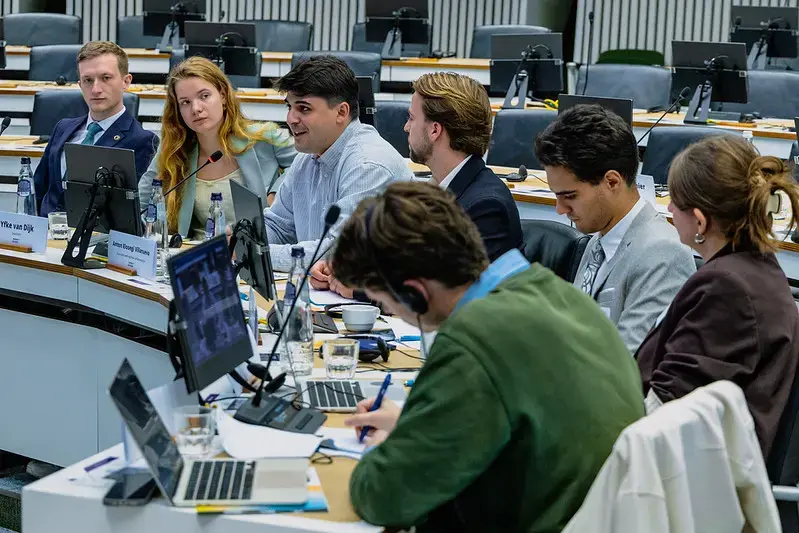
Communication was another key theme of the discussion, with participants exploring ways to frame climate action in a positive and hopeful way. The Summit highlighted storytelling as an effective communication tool, while also recognising that communities across Europe face different challenges. While climate change is broadly accepted as a scientific fact in most countries, local politicians in others must also dedicate resources to addressing disinformation.
During the second part of the Summit, we were joined by MEP Lukas Sieper, who shared his experience of advocating for climate action and offered advice on concrete strategies. He highlighted the value of financial arguments, including demonstrating the economic savings that can result from climate and sustainability measures. He also emphasised that cross-party approaches can often be effective in building broader support at the local level.
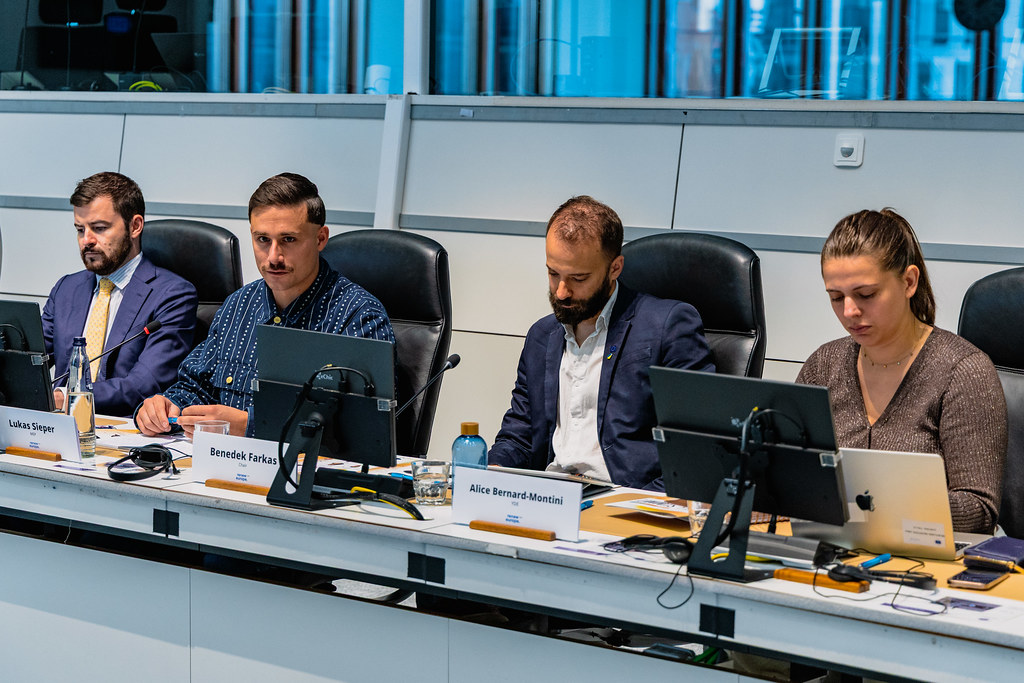
Picture: Renew CoR.
The discussion also highlighted the importance of building intergenerational support for climate policies, despite younger generations being those who will live longest with their consequences. Lukas Sieper encouraged participants to use emotional arguments, drawing a parallel between the need for our generation to rethink society in response to climate change and the task faced by previous generations in rebuilding society after the war.
"When you talk to your citizens, the people you represent, be blunt. Tell them we are f-ed. Only then will they maybe accept that there needs to be more done.“
Overall, the Summit offered positive perspectives on combating climate change, as all topics were being discussed under the notion that while climate change is the most wicked problem of our time, humankind has been able to face and solve existential problems before – and that we have a capacity to also solve this one.

Climate Change in the Era of Competing Crises: Young Elected Leaders Keeping Climate on the Agenda