
The second LYMEC Digital Assembly of 2026 convened on August 29 Online and in Tallinn, Estonia. The event gathered young liberals, experts, and partners from across Europe and the Baltics for discussions on European Security in the Baltic region with focus on Resilience and Civil Defence.
LYMEC president Marten Porte opened the session by welcoming participants and situating the Assembly within the rapidly changing security landscape in Europe and the crucial role the Baltic states play. Representing the Friedrich Naumann Foundation (FNF), Laura Tatarėlytė, Program Manager Security & Defence FNF Baltic States continued with opening remarks on the theme.
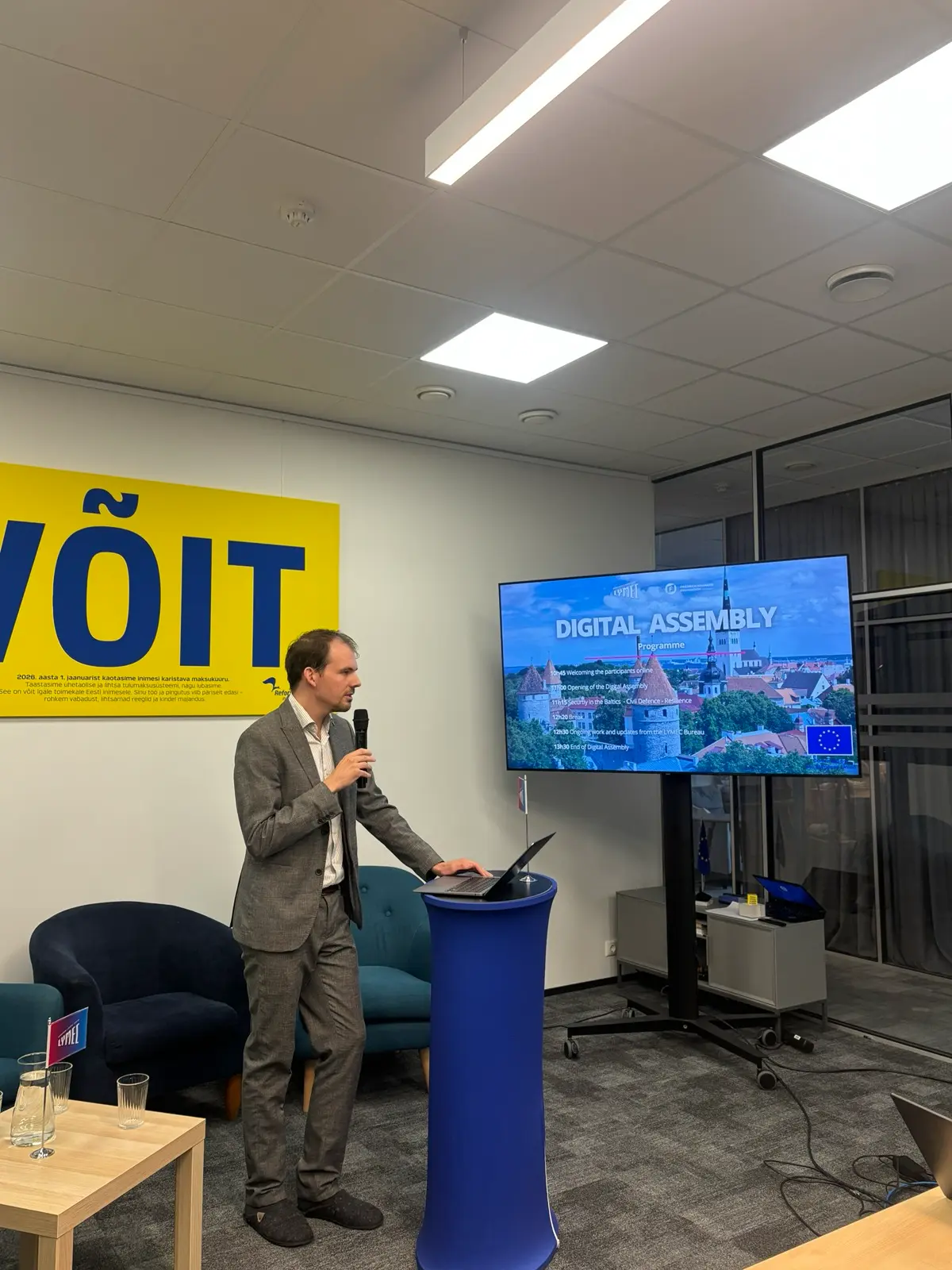
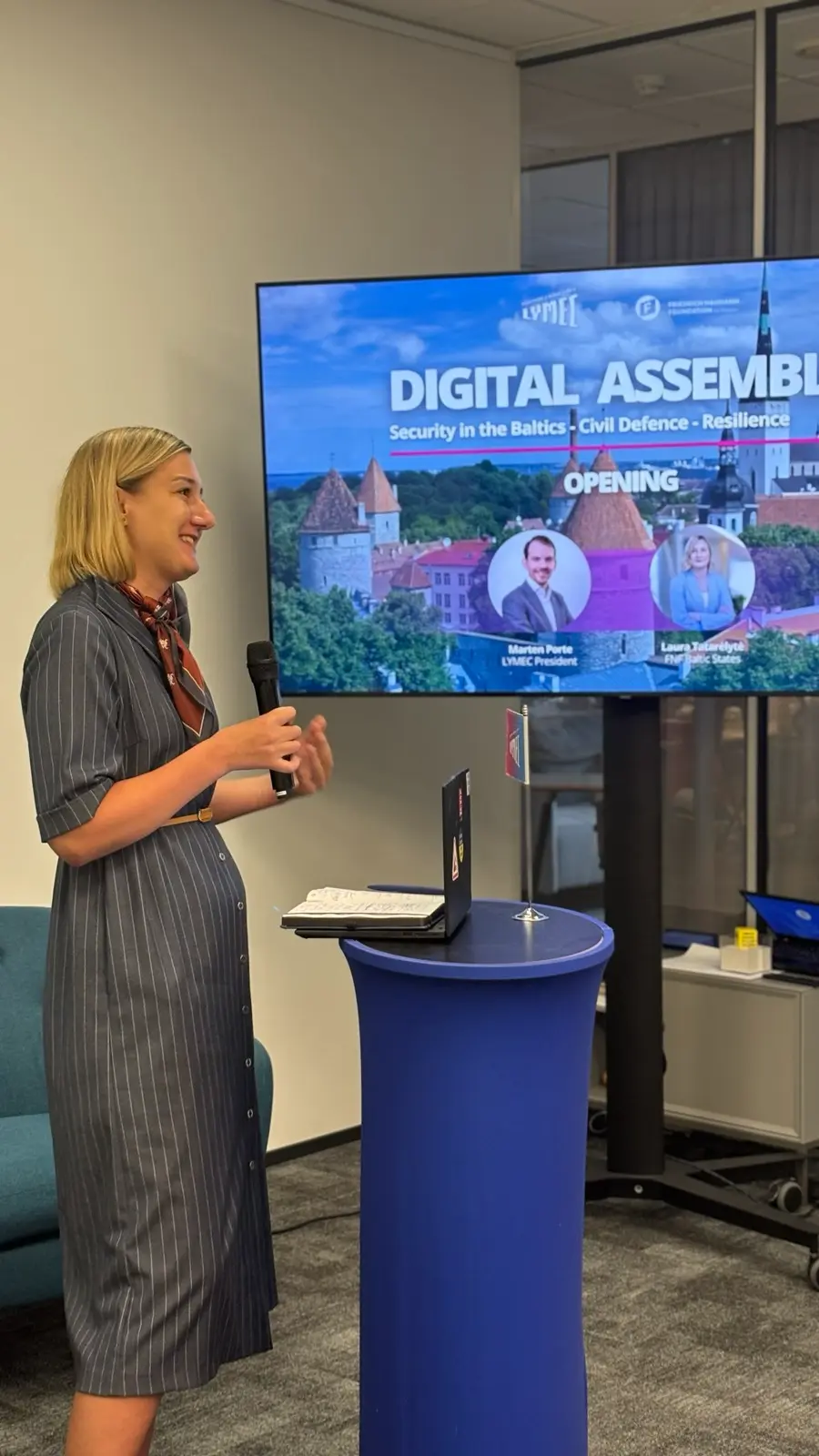
The panel discussion on the the Security in the Baltics - Resilience - Civil Defence, gathered three experts on the topic:
- Tomas Jermalavičius, Head of Studies in Estonian ICDS
- MP Marko Mihkelson, Member of Parliament, Chairman of the Foreign Affairs Committee.
- Karl Mattias Sepp, Deputy Secretary-General of the Estonian Atlantic Treaty Association; Guest Lecturer for the European Commission, Member of Team Europe.
The discussion was moderated by LYMEC Policy Officer Martina Barrés Sabartés, who opened the debate by stating that the increase of the wide range of threats, both conventional and non-conventional ones, highlights the need to not only shed a light on the Baltic response to the threats, but also on what the rest of Europe can learn from the Baltics.
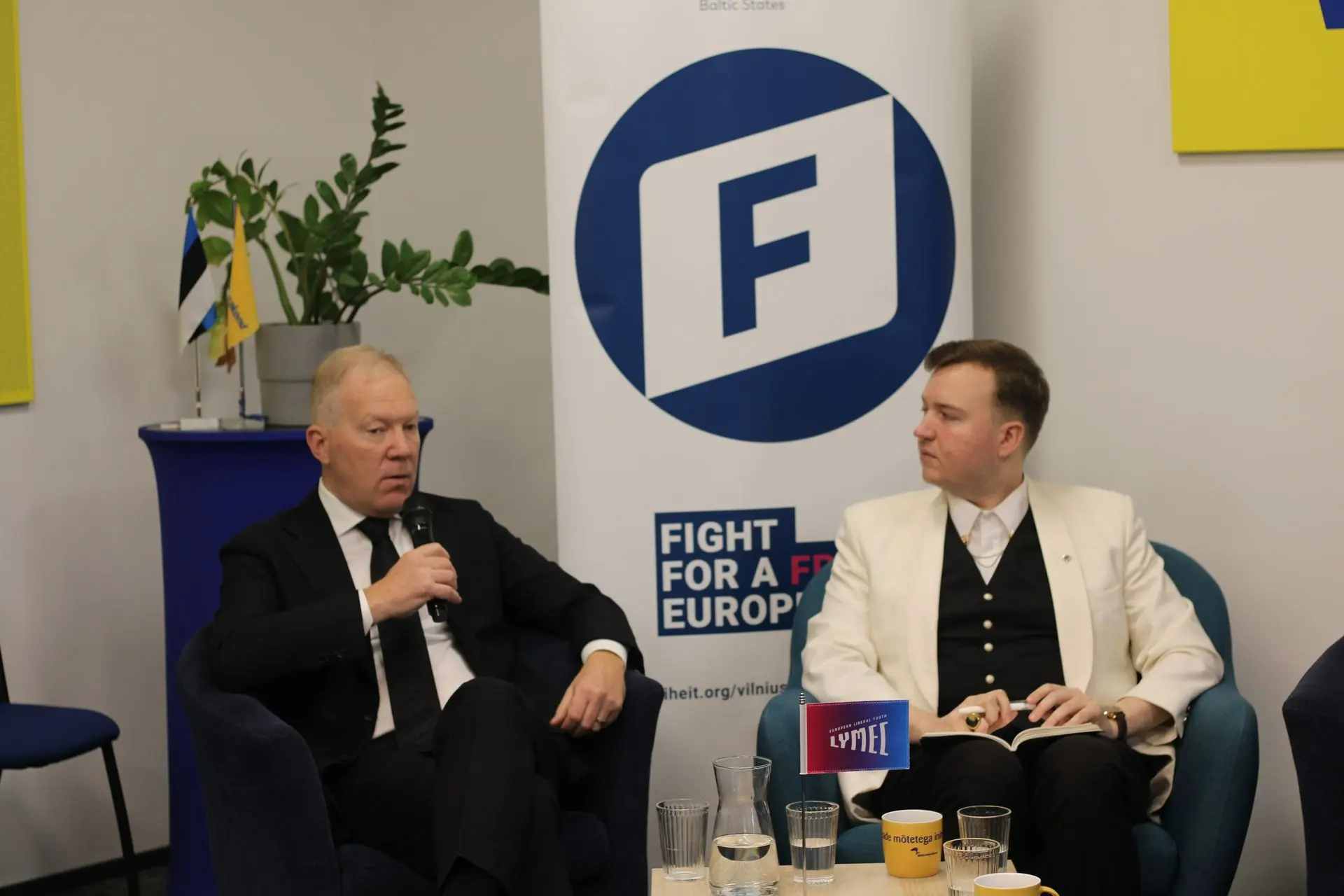
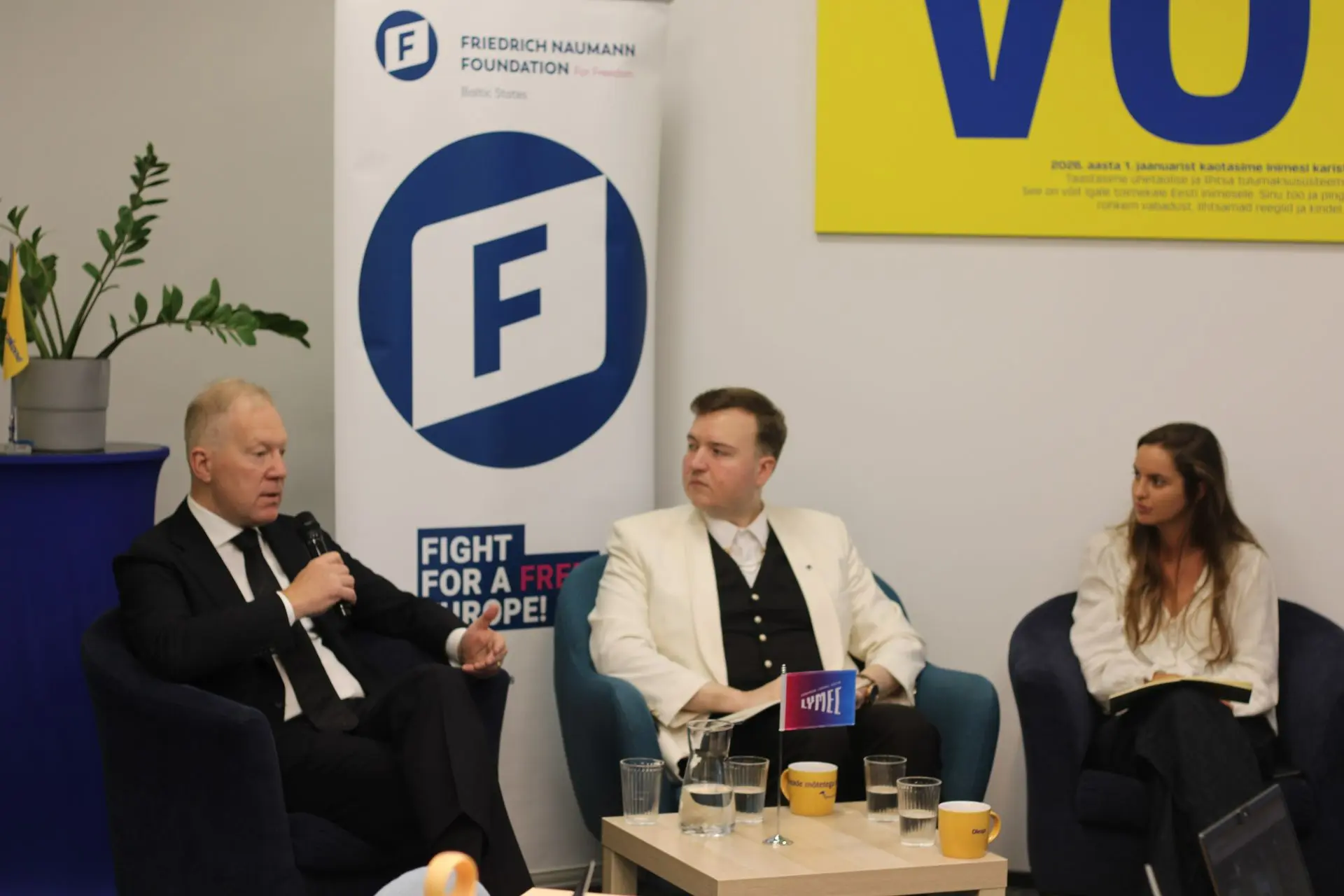
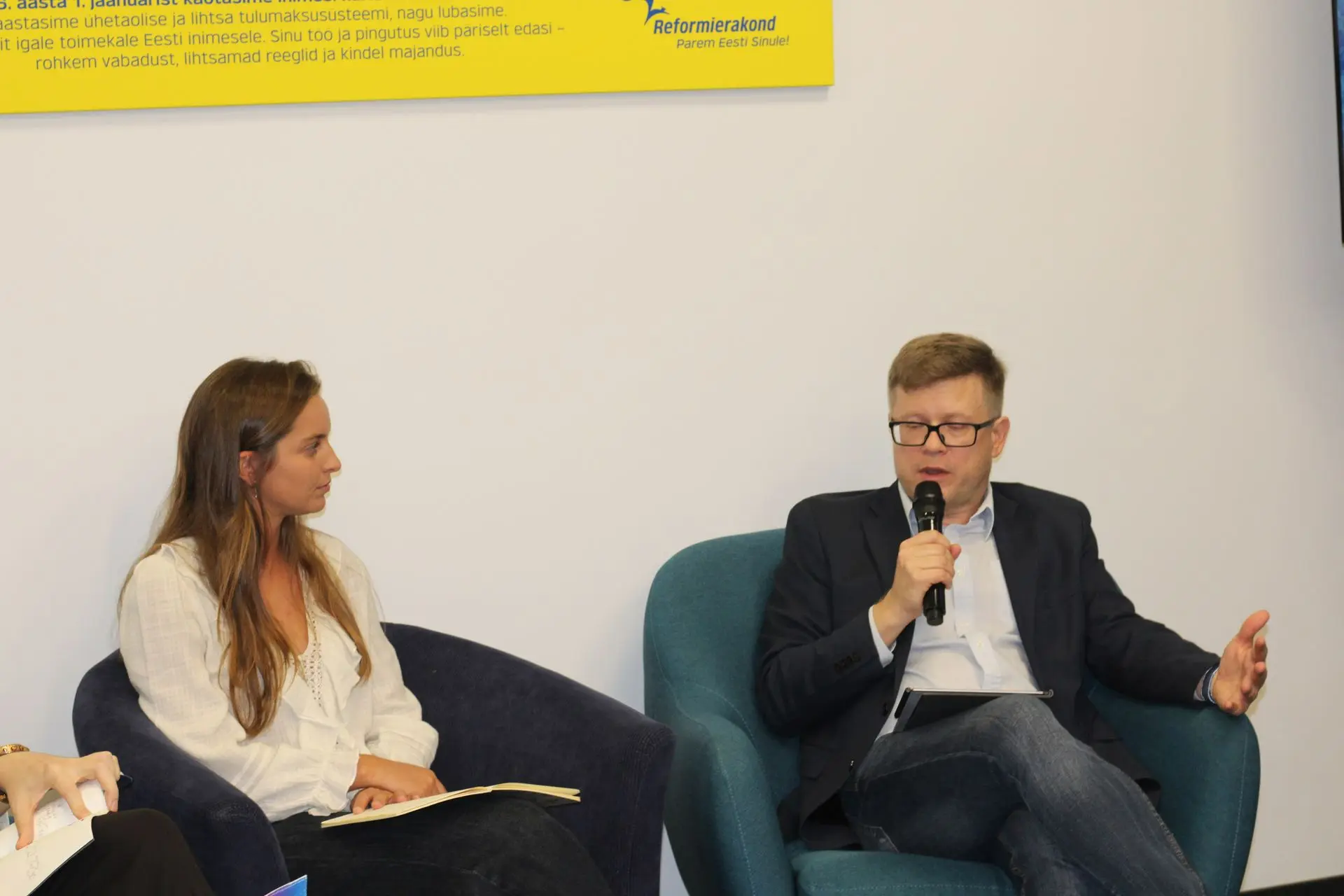
Initially, the discussion focused on the state of the threat towards the Baltics , and in what aspects the security environment in the Baltics has changed since the full-scale attack on Ukraine.
The speakers highlighted that while the overall security environment is severe, it is highly unlikely that a conventional large scale attack will take place in the near future. Instead, must Europe account for the Russian efforts of coercing Europe to stop supporting Ukraine. Further, the panellists concluded that Russia does not have any reason to cease its warfare in the near future, and that its strategic goals of not only destroying Ukraine’s sovereignty but also overruling the status quo in the entire Europe calls for us to prepare for the situation to go on for year. This calls for Europe as a whole to catch up to the severity of the situation - not only the countries by or close to the Eastern border, but also Southern and Western countries have to invest into defence.
Thereafter, the panel moved on to discuss societal benefits of defence expenditure as well as the interconnectedness of political unification, solidarity and security.
The speakers brought up that lots of people regard defence expenditure as a black hole. Therefore, there is a growing need to communicate the societal benefits of investment into defence more clearly to the public, through emphasizing that investments into the defence sector do indeed create jobs, generate tax revenues and are beneficial to society in several ways. Further, is NATO a political unit which strengthens political ties between the member states, and the fact that public diplomacy is of importance to strengthen defence should be taken into account.
The speakers concluded that Europe's strength relies on our strong institutions and the states supporting each other and showing solidarity regardless of the character of the crisis and its geographical position. Further, the participants highlighted that we must fully understand that if Ukraine does not win the war, it will affect all of Europe, stressing the utmost importance of continued support.
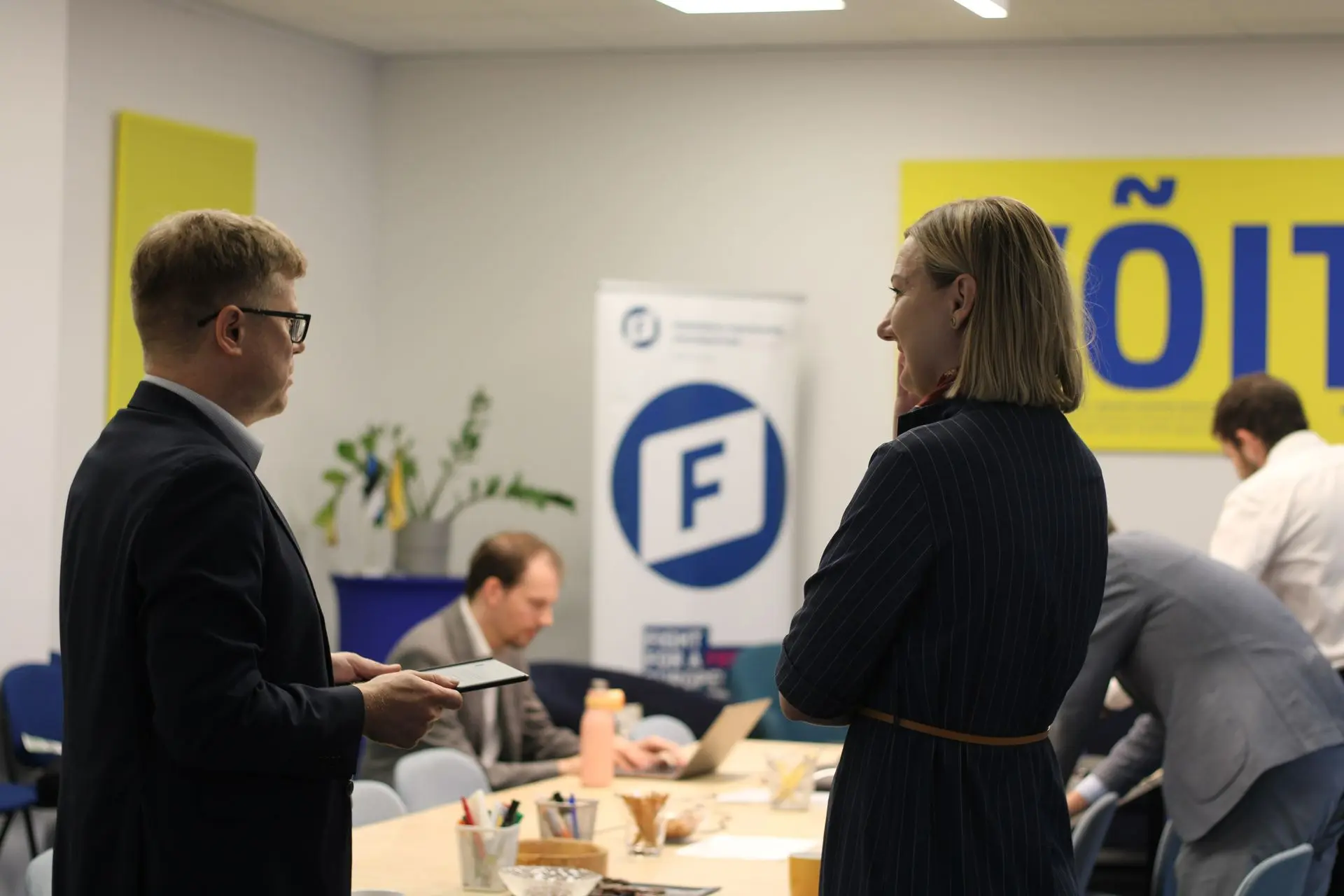
Moving on, the discussion zoomed in on resilience in our society, both in terms of what resilience looks like and what kind of policies we need.
The panel stressed that we do not necessarily know how resilient we truly are until a crisis strikes, prompting the need to identify bottlenecks and weaknesses, such as people not knowing how to survive without electricity and not having access to food and water. In addition, we need to continue fighting corruption as it feeds and exploits greed and undermines trust in society - which is ultimately the glue to resilience. Further, the panel emphasized that responsibility starts with all of us in terms of media literacy, cyber security, taking responsibility for crisis preparedness in our own communities.
Lastly, the closing remarks stressed the importance of resilience starting with making messages more palatable to the public, and the need to make communications efforts regarding our ourselves and our institutions more easy to understand in order to withstand propaganda and disinformation. To stay resilient as a society, we need to be talking about difficult subjects with interest and genuine curiosity, and for the narratives we share about ourselves to be ones that build a Europe more resistant to Russian propaganda.
In addition, we need to continue fighting corruption as it feeds and exploits greed and undermines trust in society - which is ultimately the glue to resilience. The panellists encouraged the participants to reduce their social media use, as Russia exploits social media a lot, stressing the importance of media literacy and maintaining a life and connections outside the digital sphere.
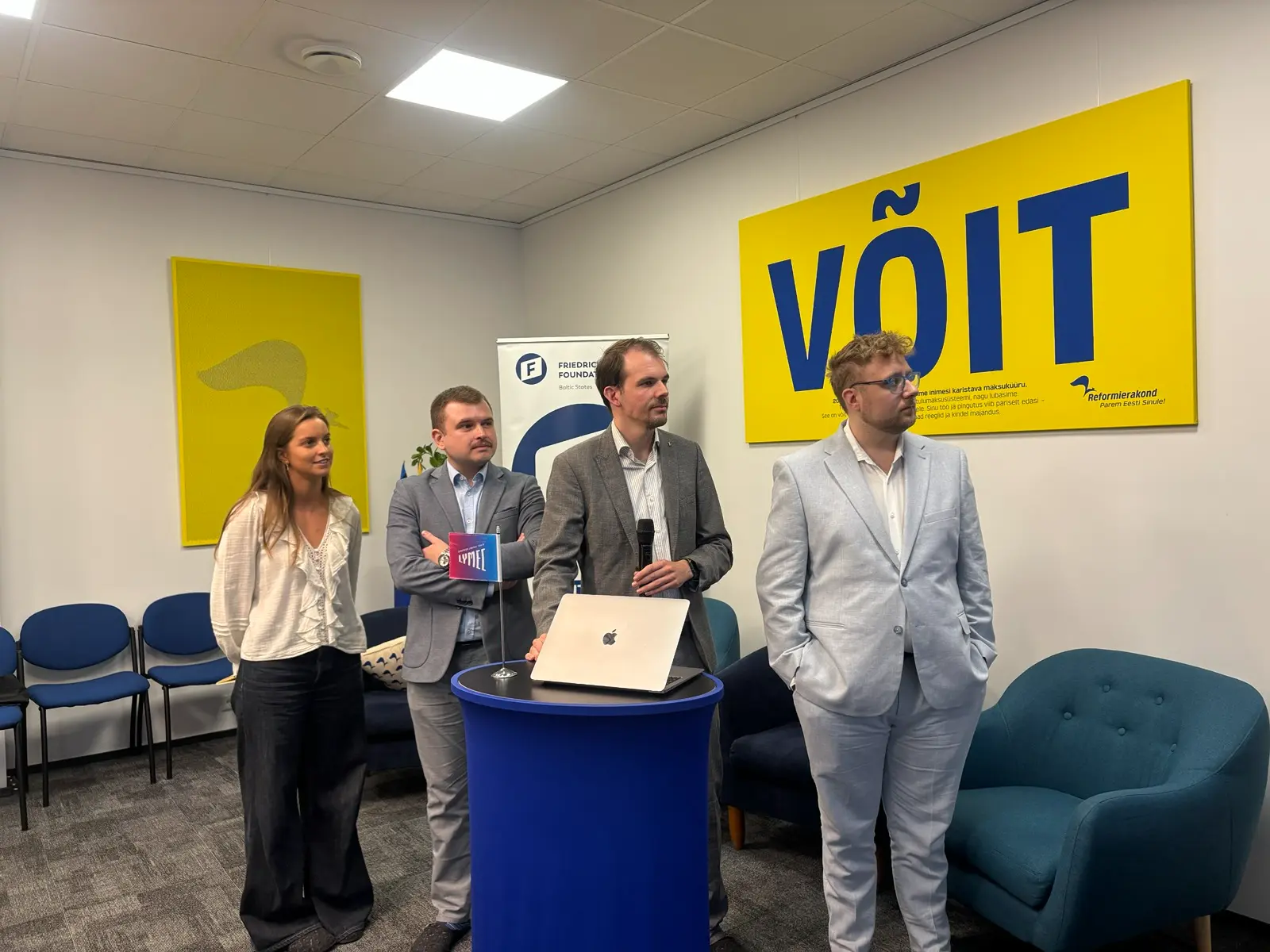
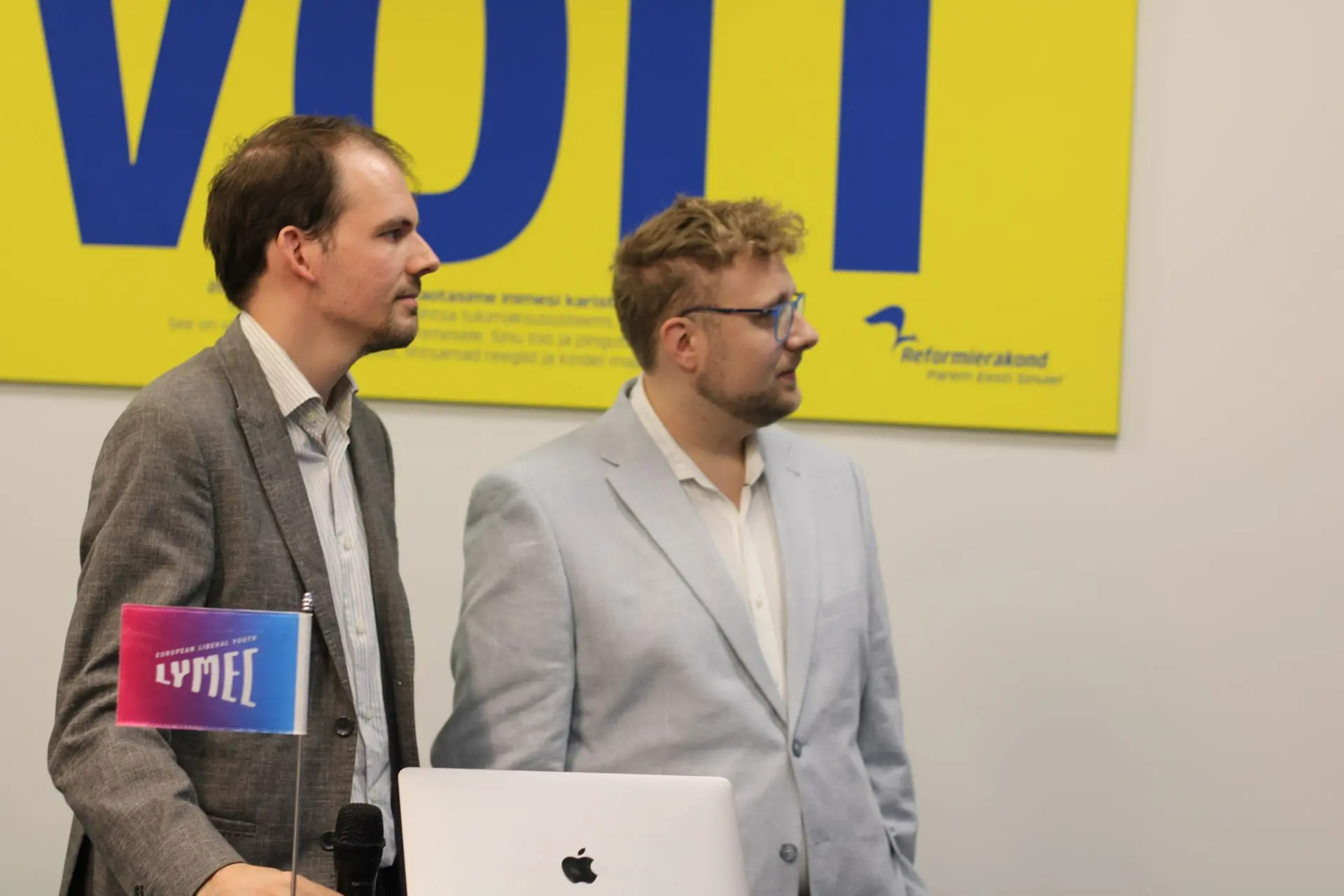
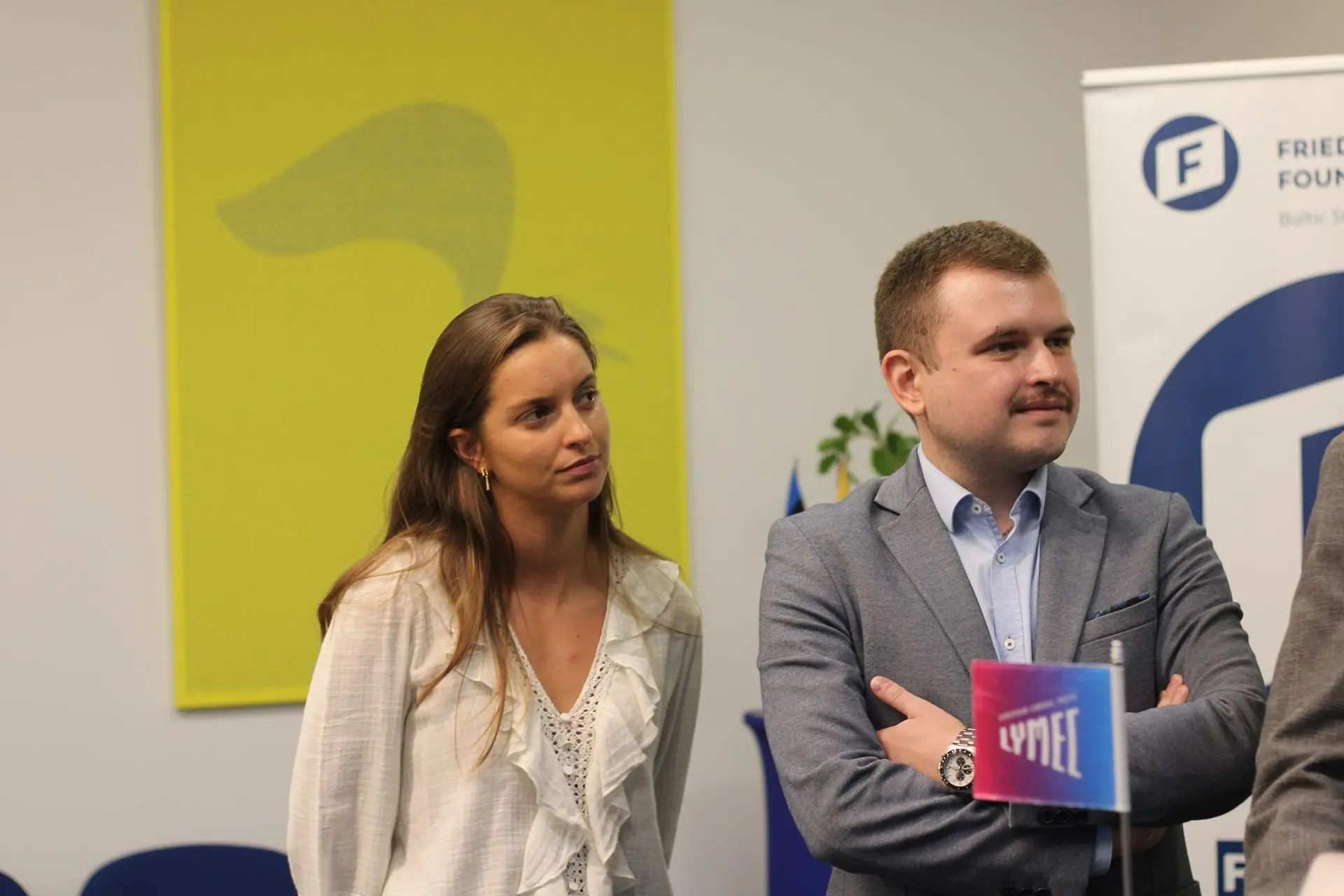
After the panel, the Digital Assembly moved on to Bureau reports, during which the Bureau members each presented the work they have conducted in the recent months.
- David Grasveld was announced as the new interim LYMEC representative to IFLRY and gave a brief introduction to himself and his visions for the coming mandate.
After that, LYMEC President Marten Porte presented the Programme of Action for the 2026-2028 mandate.
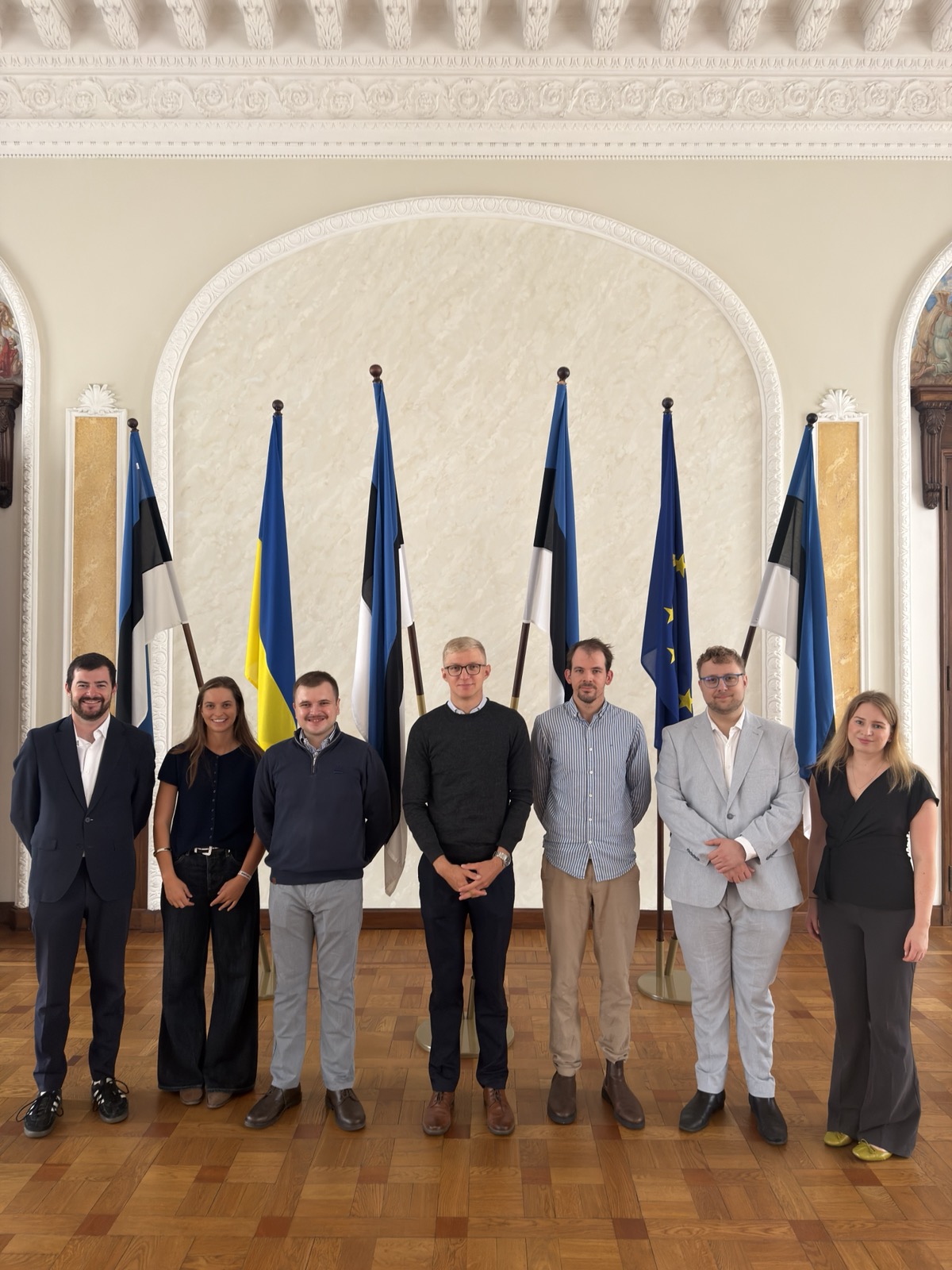
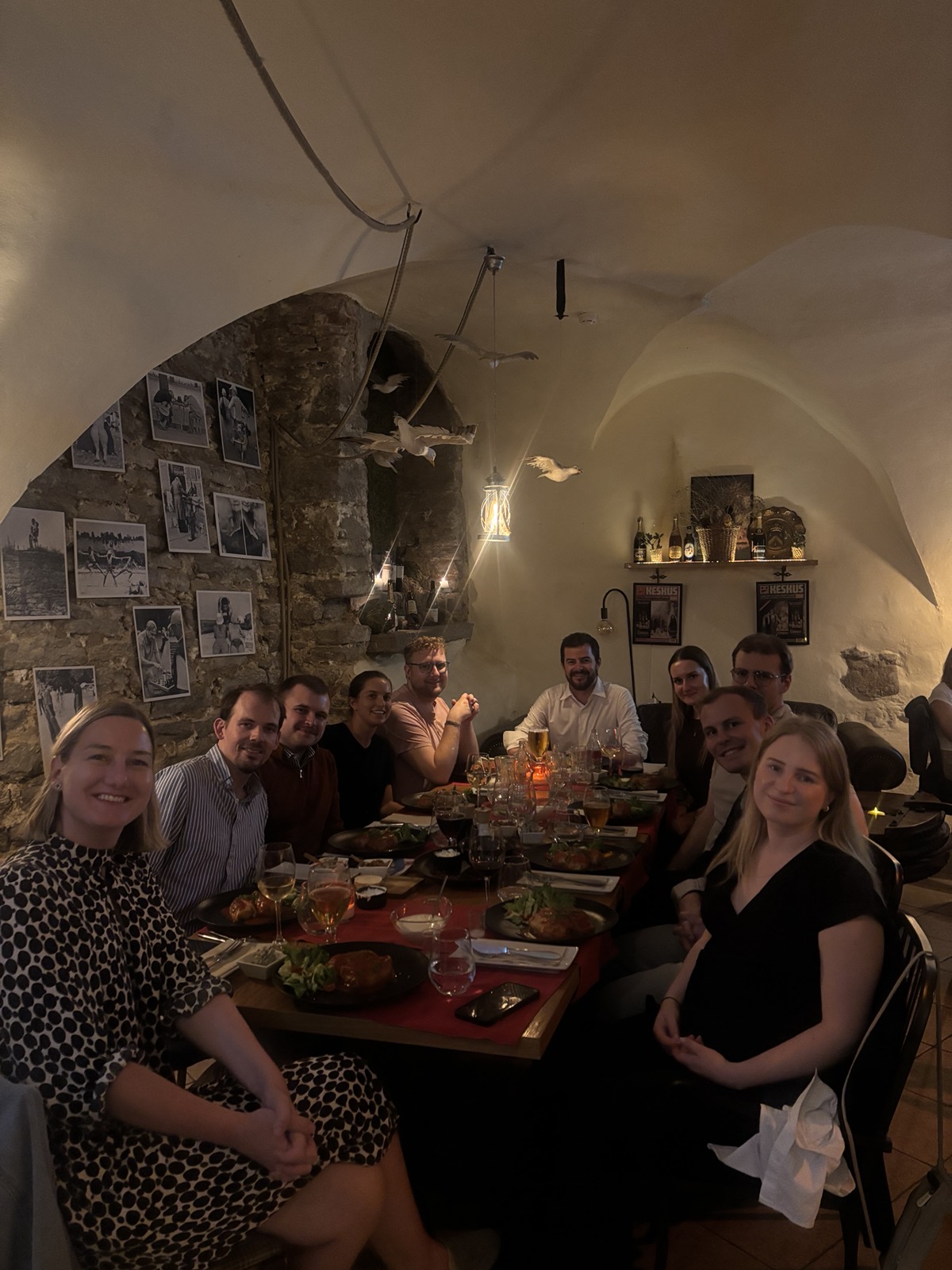
In addition to the Digital Assembly itself, during the stay in Tallinn the Bureau and Secretariat had the opportunity to visit the Estonian Parliament together with MP Kristo Enn Vaga , and meeting with LYMEC Member Organisation Reforminoored.
Co-Funded by the European Union. Views and opinions expressed are however those of the author(s) only and do not necessarily reflect those of the European Union or European Commission. Neither the European Union nor the granting authority can be held responsible for them.

Digital Assembly - Security in the Baltics