
Last week, from 20 to 21 November 2025, more than 100 young liberals and democrats from across Europe gathered at the European Parliament in Brussels for the Renew Europe “Youth Can Do It” Summit.
Two days of workshops and political discussions were organised by the Renew Europe group in collaboration with LYMEC, YDE and JEM. The objective was clear: to equip young leaders with skills, networks and concrete ideas so that they can shape the future of Europe.
Key takeaways
- Young people want visible and practical results: The Erasmus+ program should be more inclusive, by integrating, for example, higher living grants, or easier access to visas, and clear EU action that they can feel locally.
- Sustained support for Ukraine must combine political backing with people-to-people ties and local reconstruction. A peer-support network among the young generation would also help to keep being connected to Ukrainians, to understand them better and therefore better understand what they need.
- Mental health and digital safety must be mainstreamed into education and mobility programmes (prevention, counselling, school outreach).
- Strengthened youth participation: youth-impact checks should be more transparent and systematic, and outreach for the EU Youth Dialogue can be improved by tightening links between advisory bodies and national networks.
- Counter-disinformation locally: prebunking, storytelling and rapid-response networks (fact-checkers, allies, influencers) work better than top-down messaging.
- Building capacity now: media, rhetoric and digital skills are essential for local campaigning and sustaining engagement over time.
What happened
Participants from Europe, including 30+ LYMEC members, engaged with Members of the European Parliament, stakeholders, communications experts, journalists, and researchers from across Europe to develop new skills and connect with like-minded participants.
What was on the agenda? Numerous debates on the major challenges facing Europe: war and reconstruction in Ukraine, EU enlargement and identity, mobility and inclusion, mental health, digital regulation, and the fight against disinformation. The sessions combined practical workshops, media and rhetoric training, testimonials and more, providing plenty of opportunities to collaborate and share ideas!
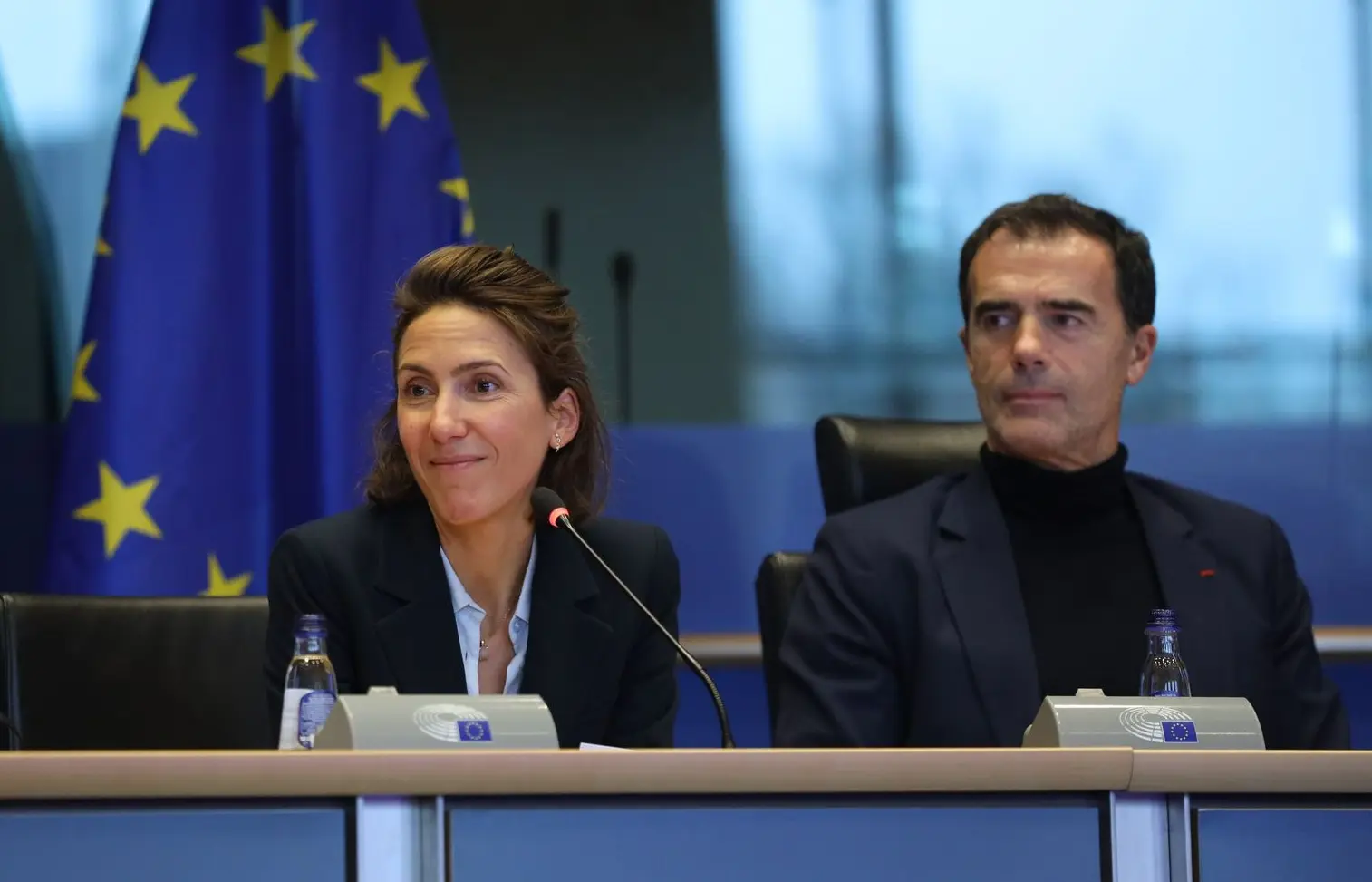
Valerie Hayer, MEP and President of the Renew Europe Group in the European Parliament, kicked off the event.
Workshops
Round 1: Youth from the EU and Beyond
Young Voices from Ukraine
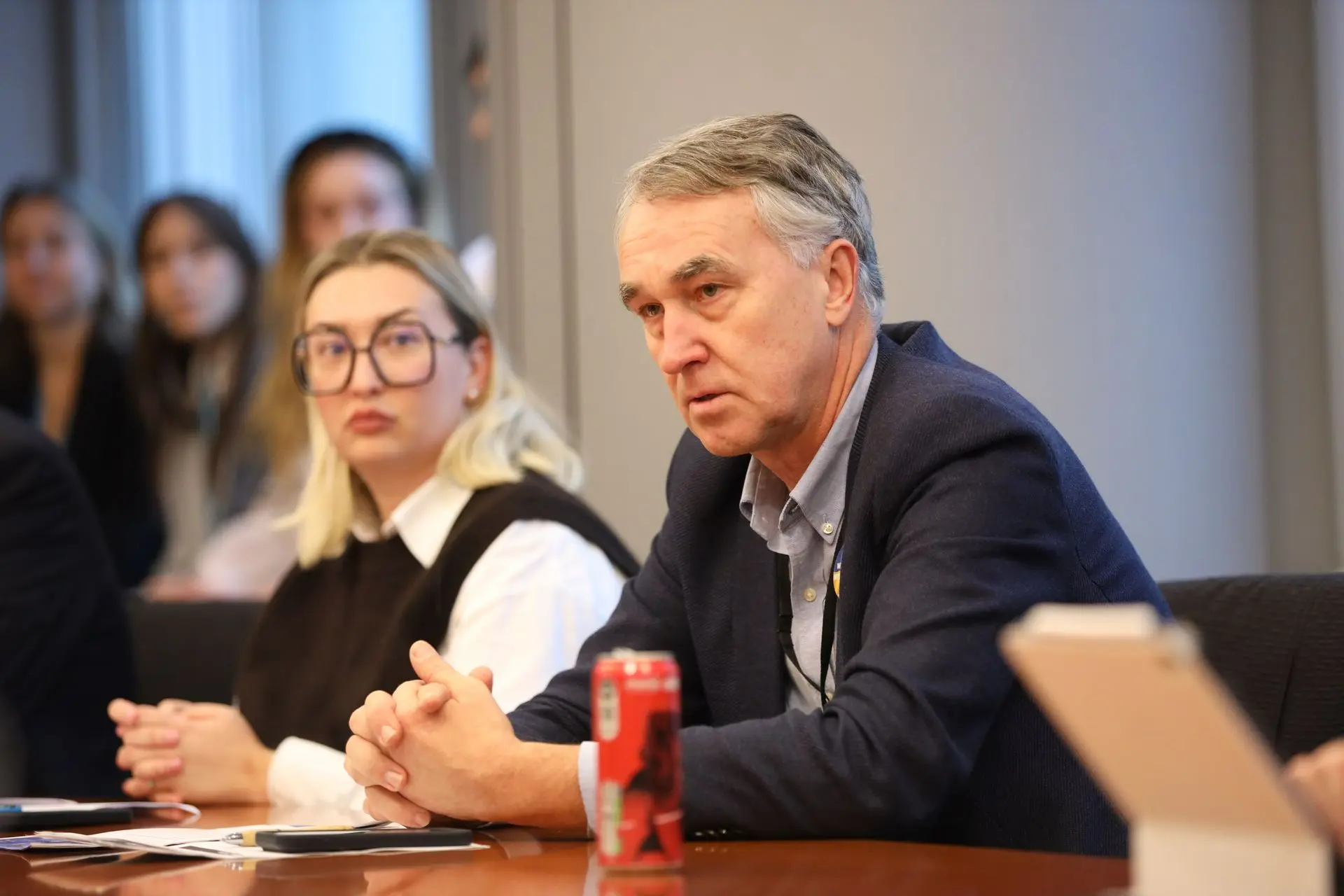
Ukrainian participants from Ze!Molodizhka and MEP Petras Auštrevičius described the long-term human and social consequences of the war: displaced communities, deep trauma, and urgent needs for local reconstruction and peer-support networks. They called for sustained political backing and stronger people-to-people links across Europe. Auštrevičius described the conflict as “genocidal” and urged the younger generation across Europe to stand with Ukraine.
EU Enlargement: Delivering for the Next Generation - How to relaunch the enlargement process?
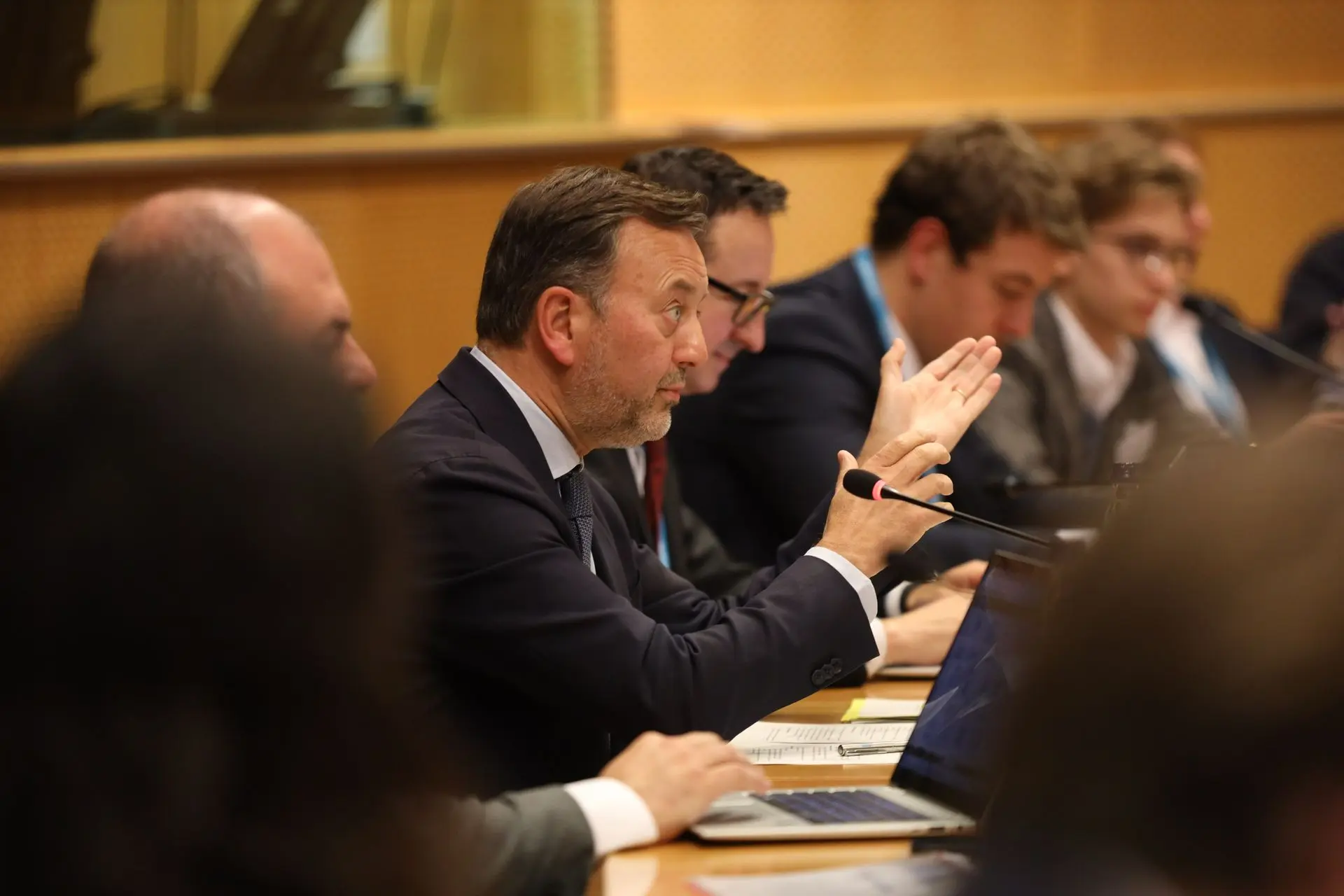
Debates underlined that fear of migration and lack of understanding about how the EU works are major drivers of scepticism. Panellists argued for clearer communication about EU benefits and for practical steps (e.g. improved rail and cross-border cooperation) that citizens can see and feel.
Bridging Borders: Empowering Youth through Cross-Border Cooperation and Erasmus+
Recommendations focused on making Erasmus more inclusive, with initiatives such as a clearer European grading framework, better scholarships, and improved visa facilitation. Delegates asked for mental-health support during mobility periods and for schools to be used as outreach hubs to inform students in smaller towns. Many highlighted that unequal access to scholarships and insufficient living-cost support prevent some students from taking part in such initiatives.
Round 2: Challenges and Opportunities for Young People
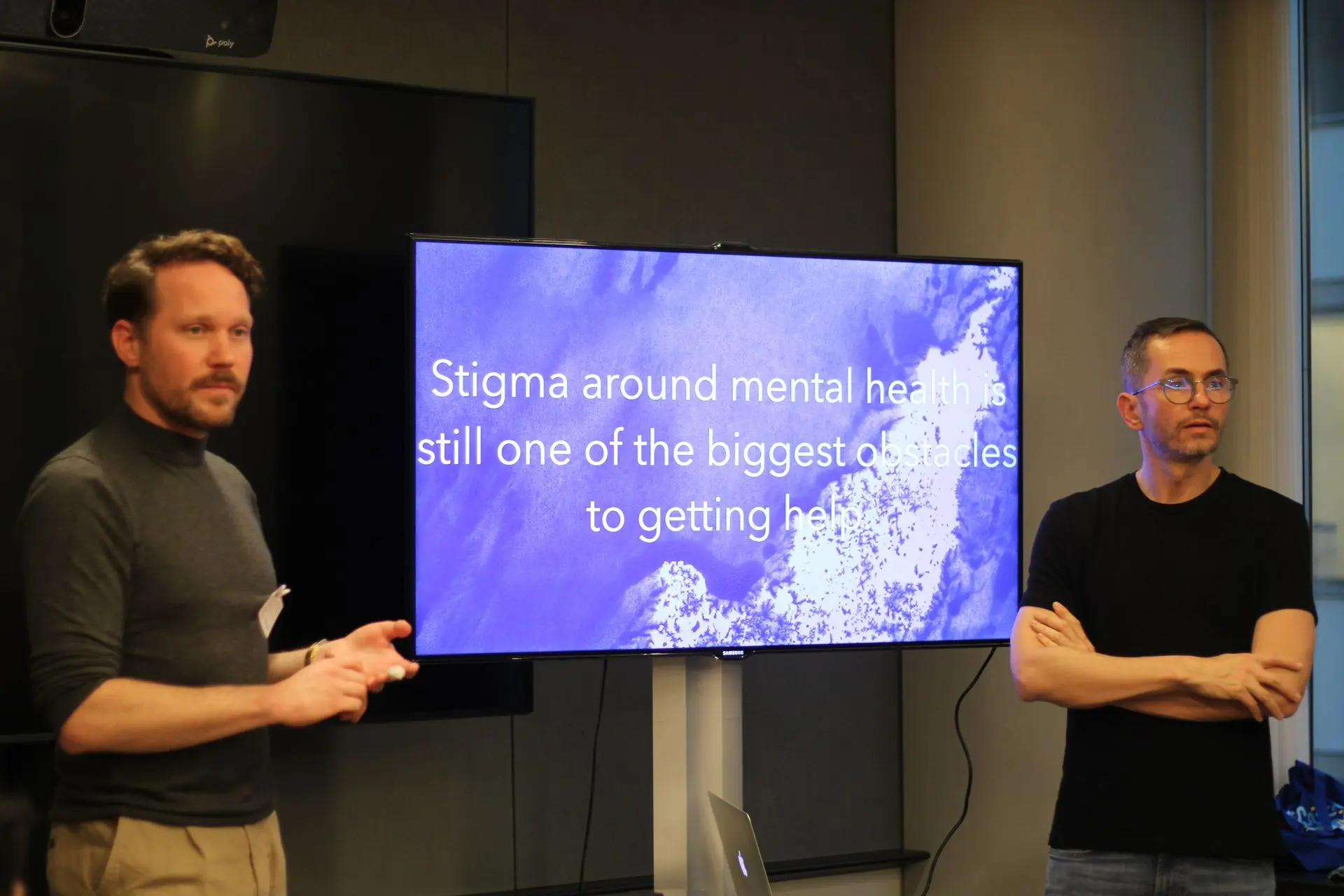
Mental Health: Addressing Youth Mental Health Across Europe
Led by Projekt: Polska trainers, participants debated on how to protect young people online without undermining privacy or freedom of expression. The discussion emphasised prevention, school-based outreach and accessible counselling services. Delegates stressed the need for practical mental-health support integrated into education and mobility programmes.
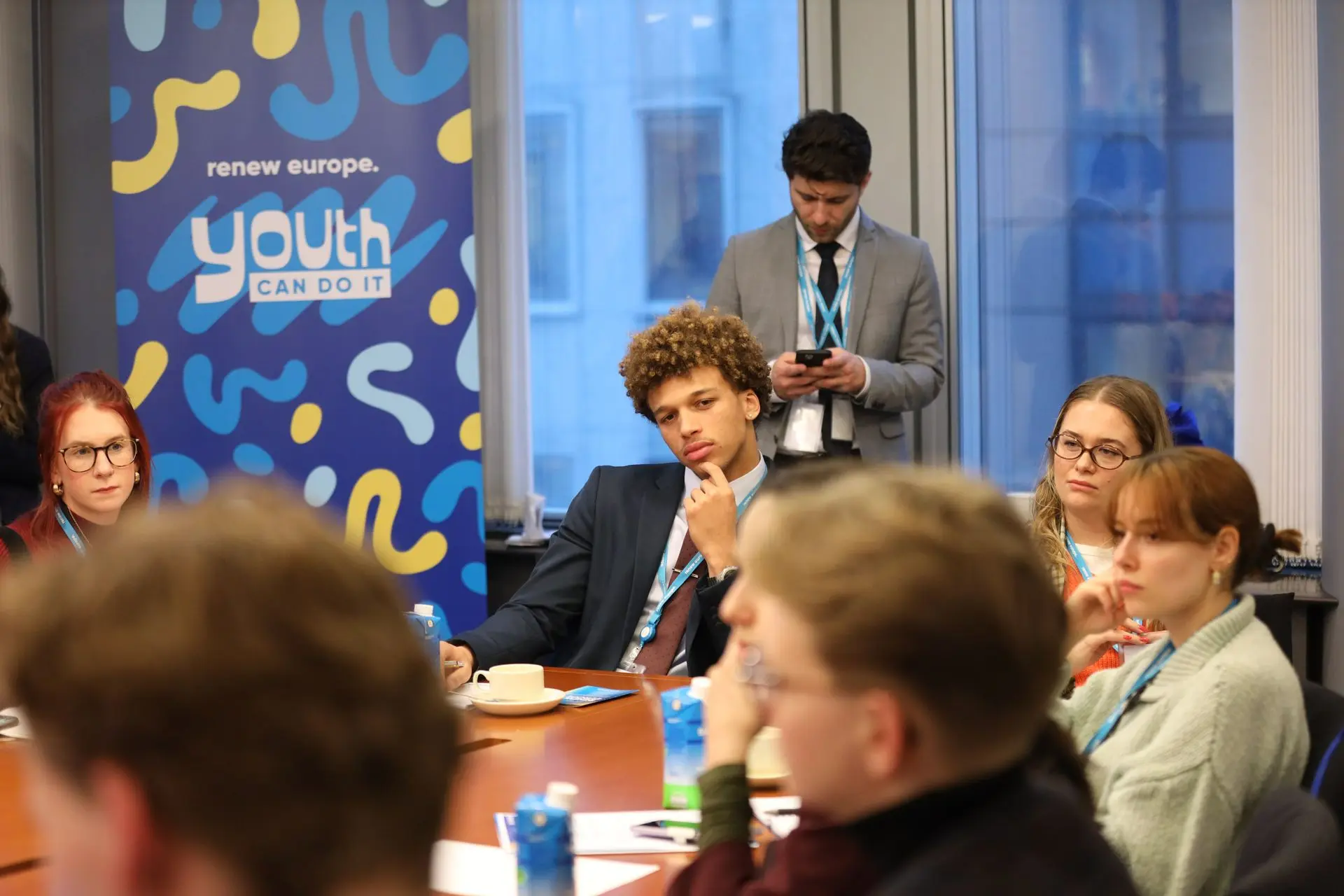
Youth participation in policymaking: the youth test in practice
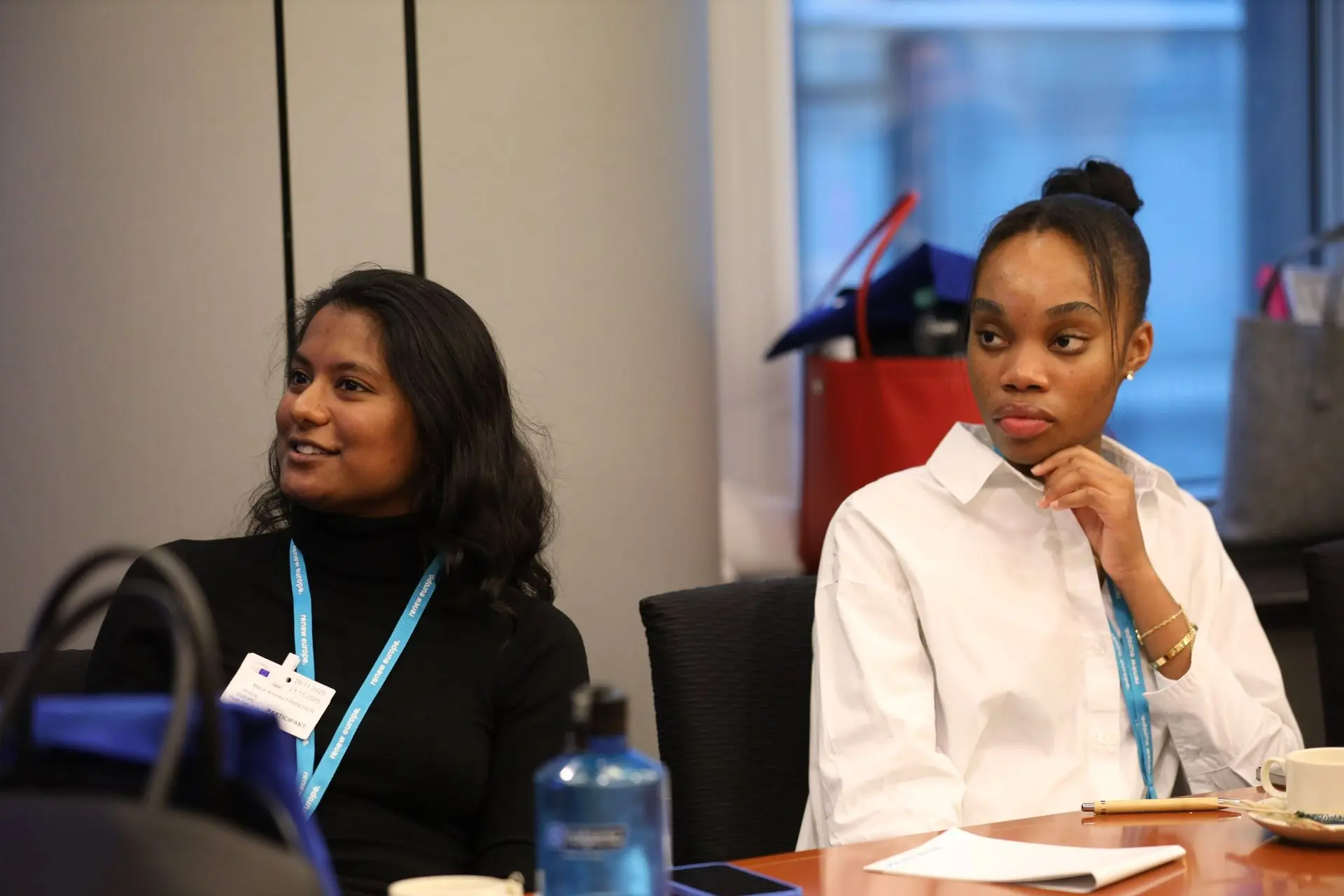
The session explored the main EU mechanisms that give young people a voice in policymaking, such as the EU Youth Dialogue, the Youth Check/Test, the President’s Youth Advisory Board, Youth Policy Dialogues with Commissioners, and the EU Youth Guarantee. Together, these tools help ensure that new initiatives consider youth perspectives and that young people can directly advise EU leaders.
The session ended with an interactive exercise in which participants applied these tools to the European Commission’s 2026 work programme, highlighting how youth input can be integrated more systematically into future EU policies.
Practical Sessions: How to Debunk the Far Right?
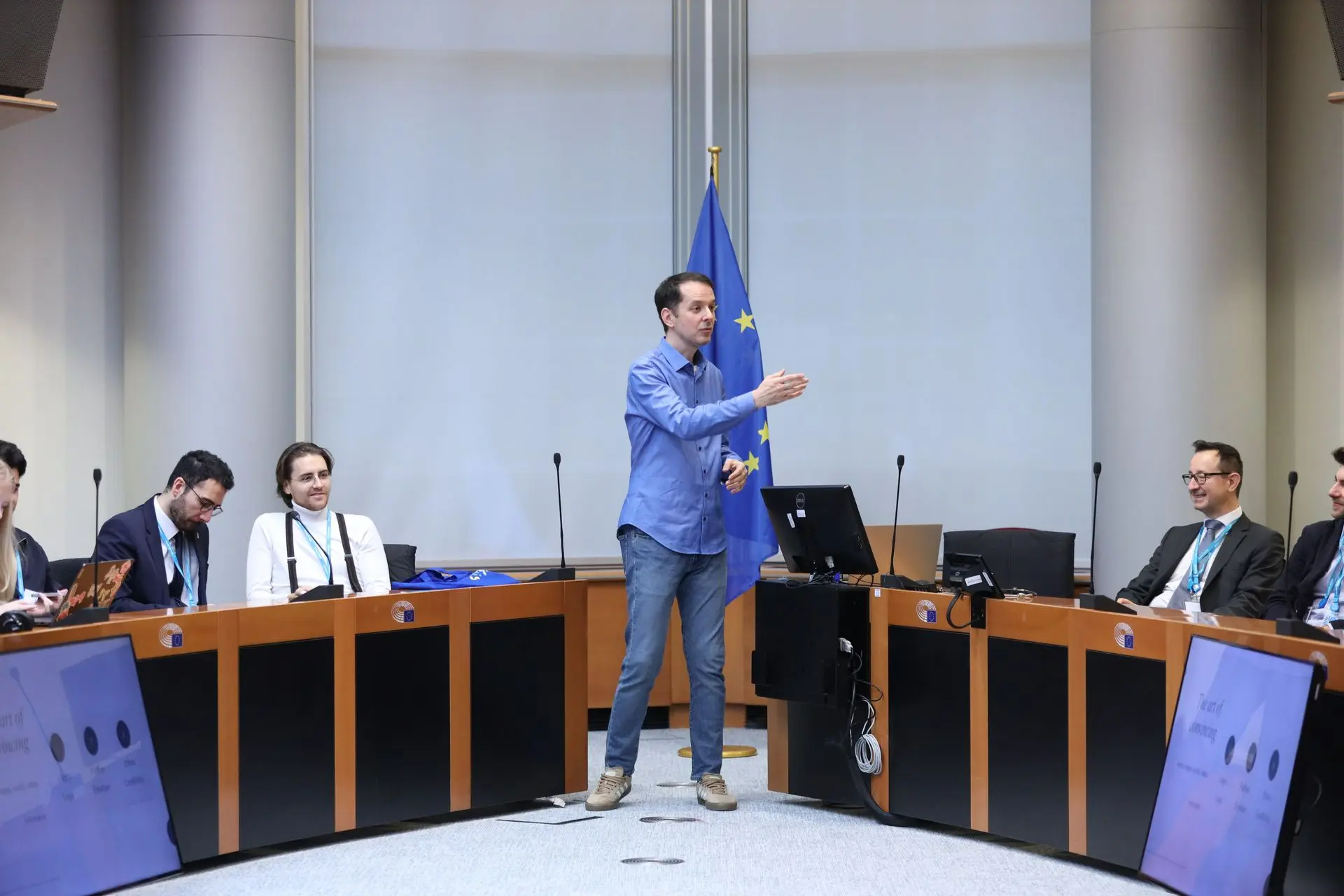
Workshop on rhetoric & public speaking - Debunking Rhetoric: How to Spot & Counter Common Tactics
This practical workshop taught participants to craft one-minute elevator pitches, identify manipulation and misinformation, and use storytelling and local engagement to tailor messages. Cristian Seidler opened with a playful demonstration, posing as a doctor and sorting attendees into three groups, to illustrate manipulative rhetorical techniques.
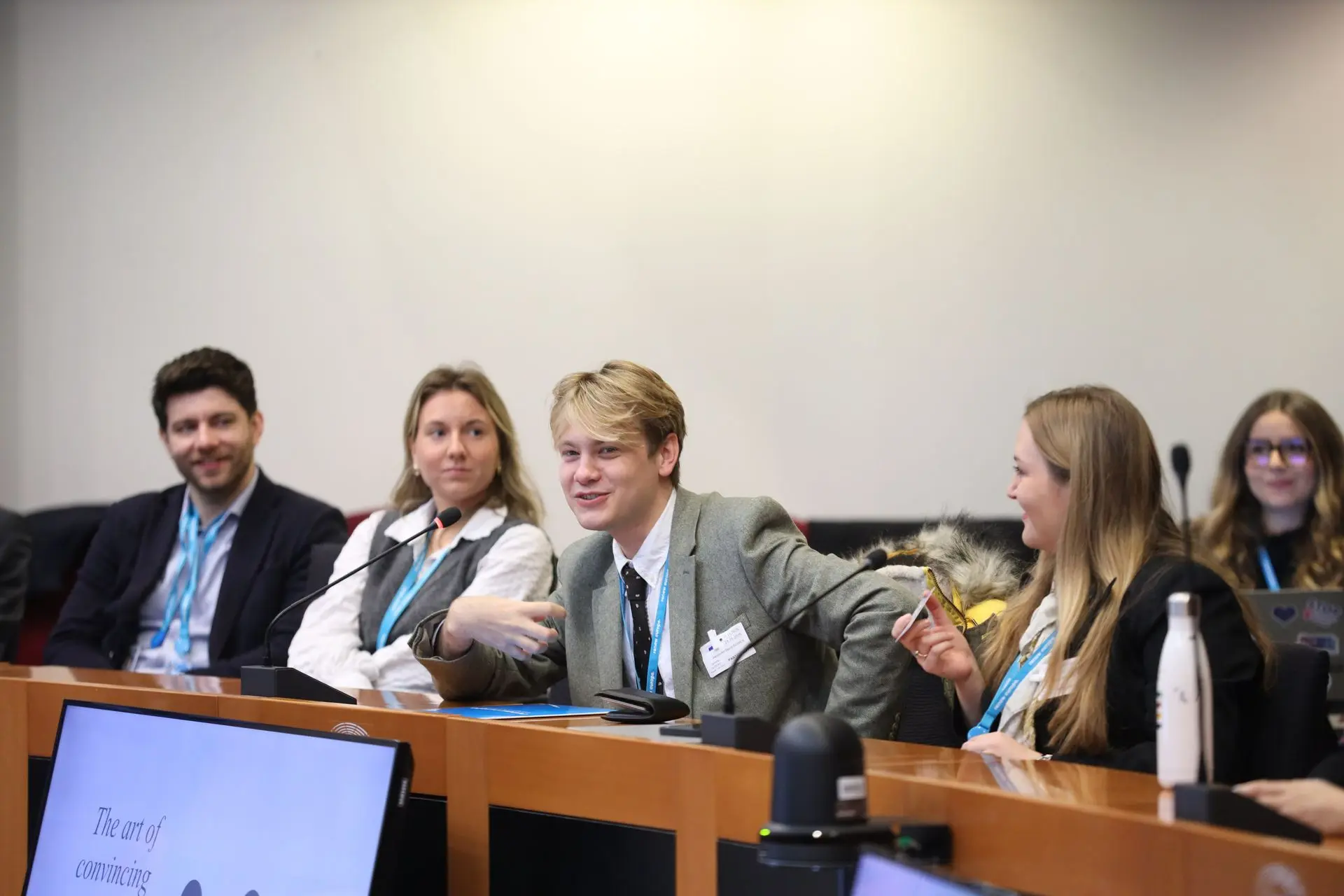
Digital Workshop: Design Counter-Narratives and create short video capsules in teams
The focus of this session was on learning how to design counter-narratives and produce short video capsules. Participants learned to frame a message, target specific audiences, and craft clear lines and arguments while using storytelling and media training to answer questions and spark conversation. Each group produced a one-minute hook, presented a brief before screening, and practised orienting their message to connect with viewers.
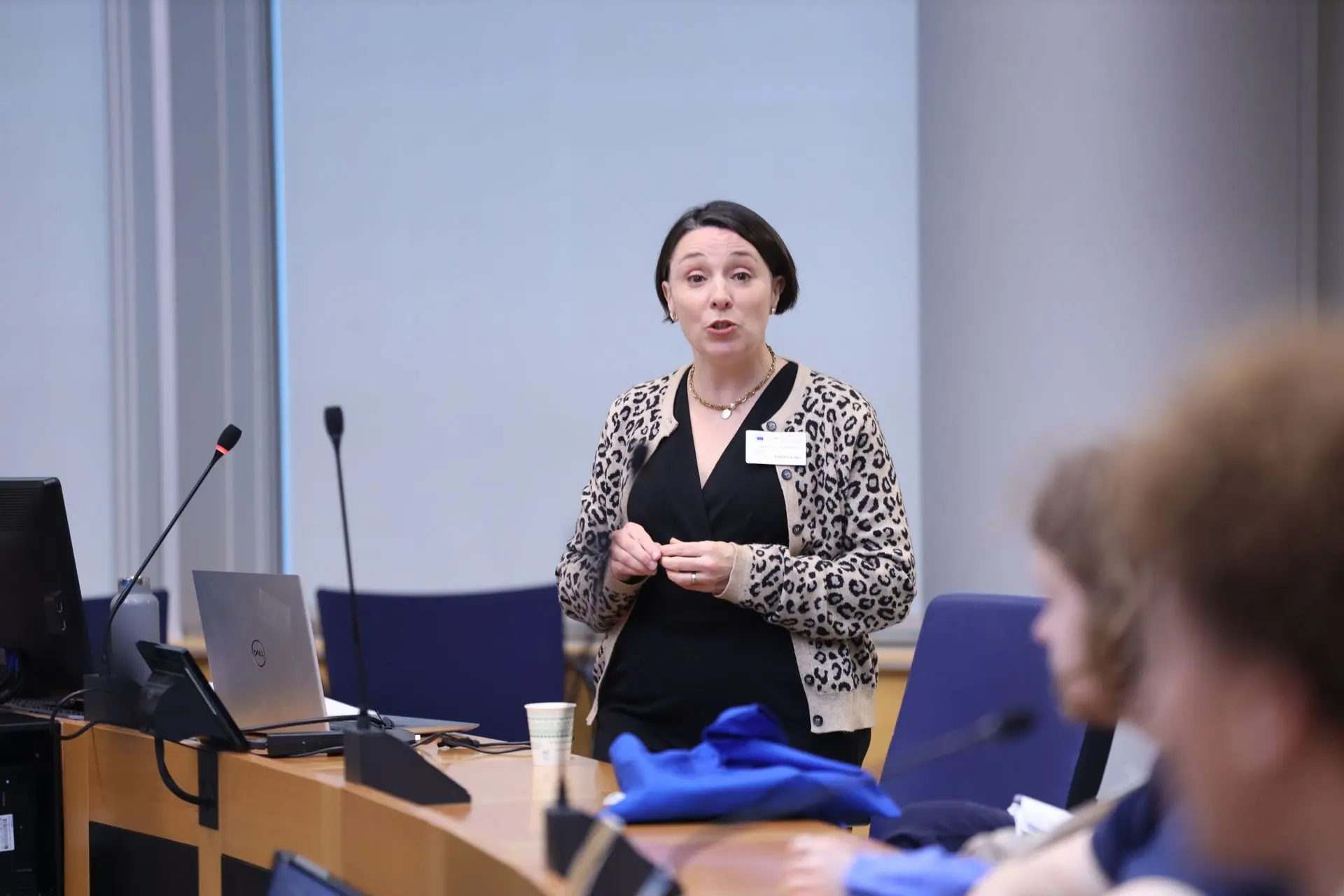
Workshop on Community Response Planning: Map networks for rapid response (fact-checkers, allies, influencers)
This workshop combined group exercises and simulations to explore how to manage crises and build lasting political communities. Participants learned to map rapid-response networks and apply key crisis principles. The session presented community building as a long-term process. Personal stories and sustained momentum were stressed as essential for keeping communities engaged and resilient.
Finally, the closing plenary session featured Ana Vasconcelos, RENEW Europe MEP from Iniciativa Liberal.
Conclusion: a call to act
The Summit made clear that “Youth can do it” is more than a slogan: it’s a plan. Participants left with new skills, new contacts and concrete proposals to bring back to their communities. For Renew Europe and its youth partners, the task ahead is to translate those proposals into visible policies and programmes that young people can recognise and trust.
Organisers: Renew Europe Group, LYMEC, Young Democrats for Europe and les Jeunes En Marche.
LYMEC at the Renew Europe “Youth Can Do It” Summit 2025