
On Saturday 07 February, the first LYMEC Digital Assembly of 2026 brought together young liberals, experts, and partners from across Europe and Türkiye in Istanbul!
Participants joined online for a full programme dedicated to European security, Türkiye’s geopolitical role, and the state of youth activism and liberal engagement under challenging political conditions.
Opening of the Assembly
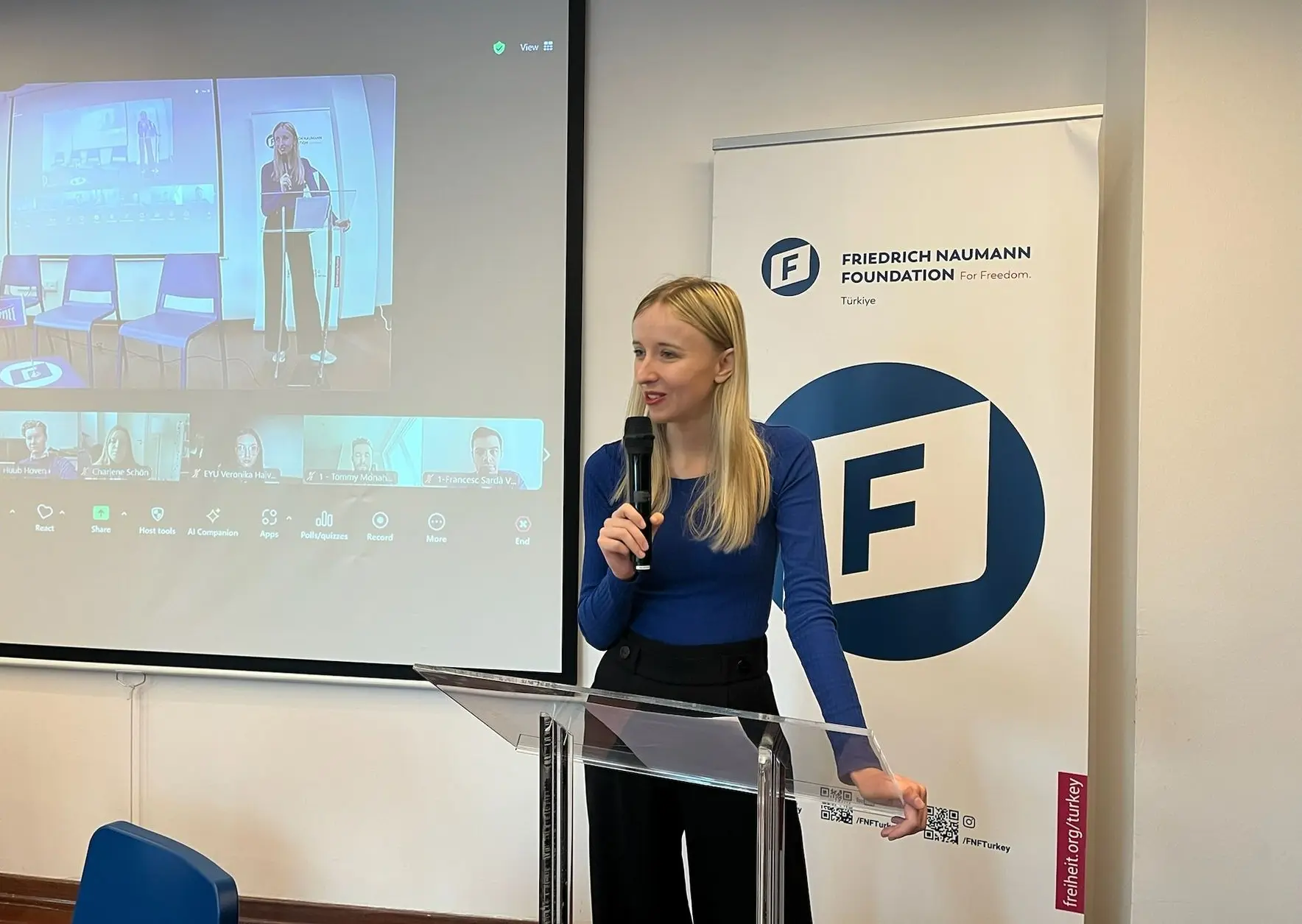
- Ines Holzegger (LYMEC President) opened the session by welcoming participants and emphasising LYMEC’s solidarity with communities still affected by the devastating hurricane three years prior, and highlighted the significance of holding the Digital Assembly in Türkiye at this moment - both as a gesture of support and as recognition of the country’s strategic importance for European liberalism.
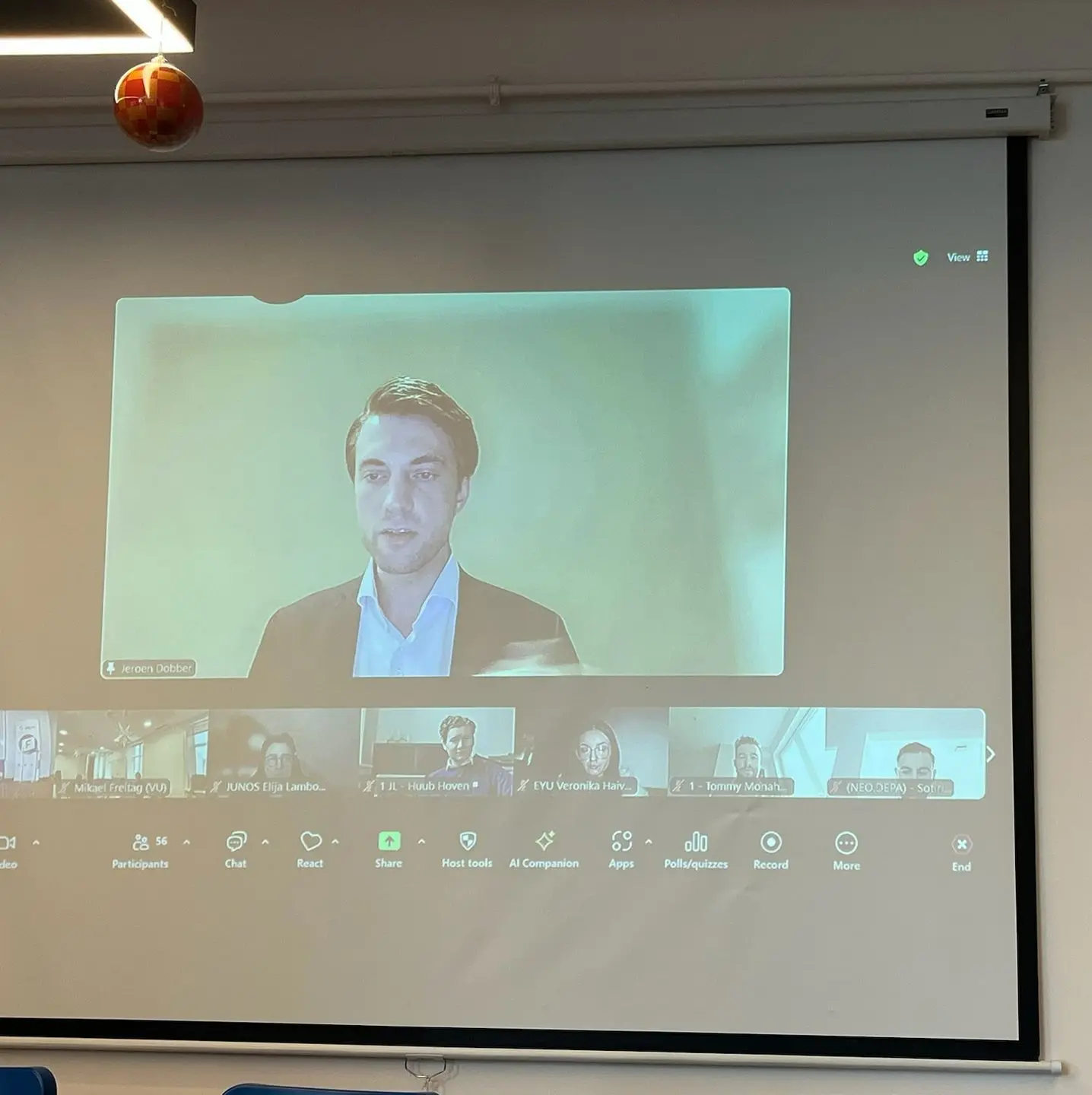
- Representing the Friedrich Naumann Foundation (FNF), Jeroen Dobber (Head of the Global Security Hub) addressed Europe’s evolving security landscape, particularly the rise of AI‑driven warfare. He stressed the need for deeper cooperation between Europe, Türkiye, and other strategic partners to address these challenges effectively, while acknowledging Türkiye’s longstanding contributions to European security.
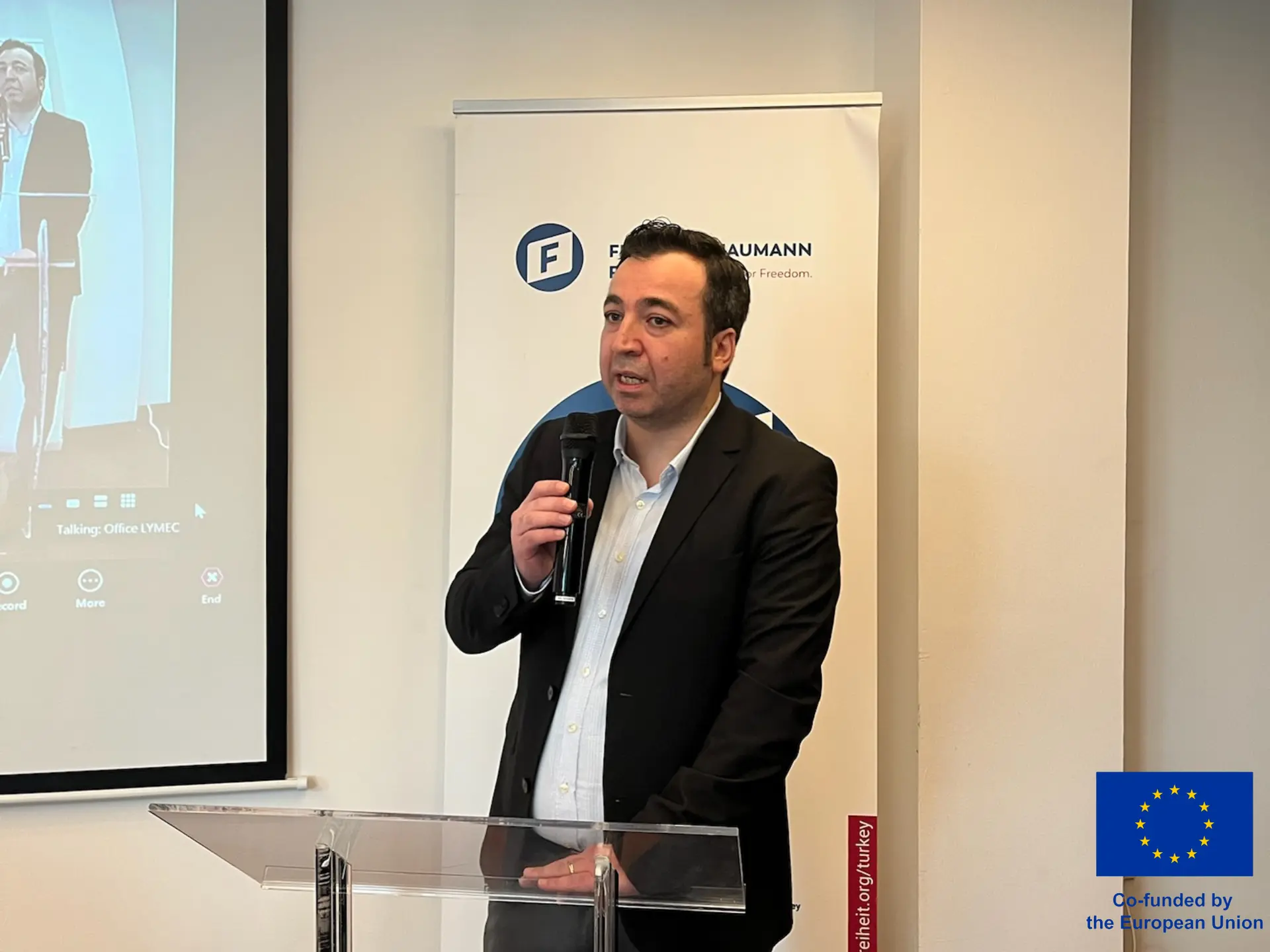
- Aret Demirci (Head of FNF Türkiye) offered a candid reflection on the risks faced by young liberals in the country. He revisited the wave of arrests in the previous year and the long‑term consequences these events have had on the careers and lives of politically active youth. His remarks grounded the Assembly in the lived reality of Türkiye’s liberal community and the courage required to remain engaged.
Panel Discussion: European Security and the Role of Türkiye
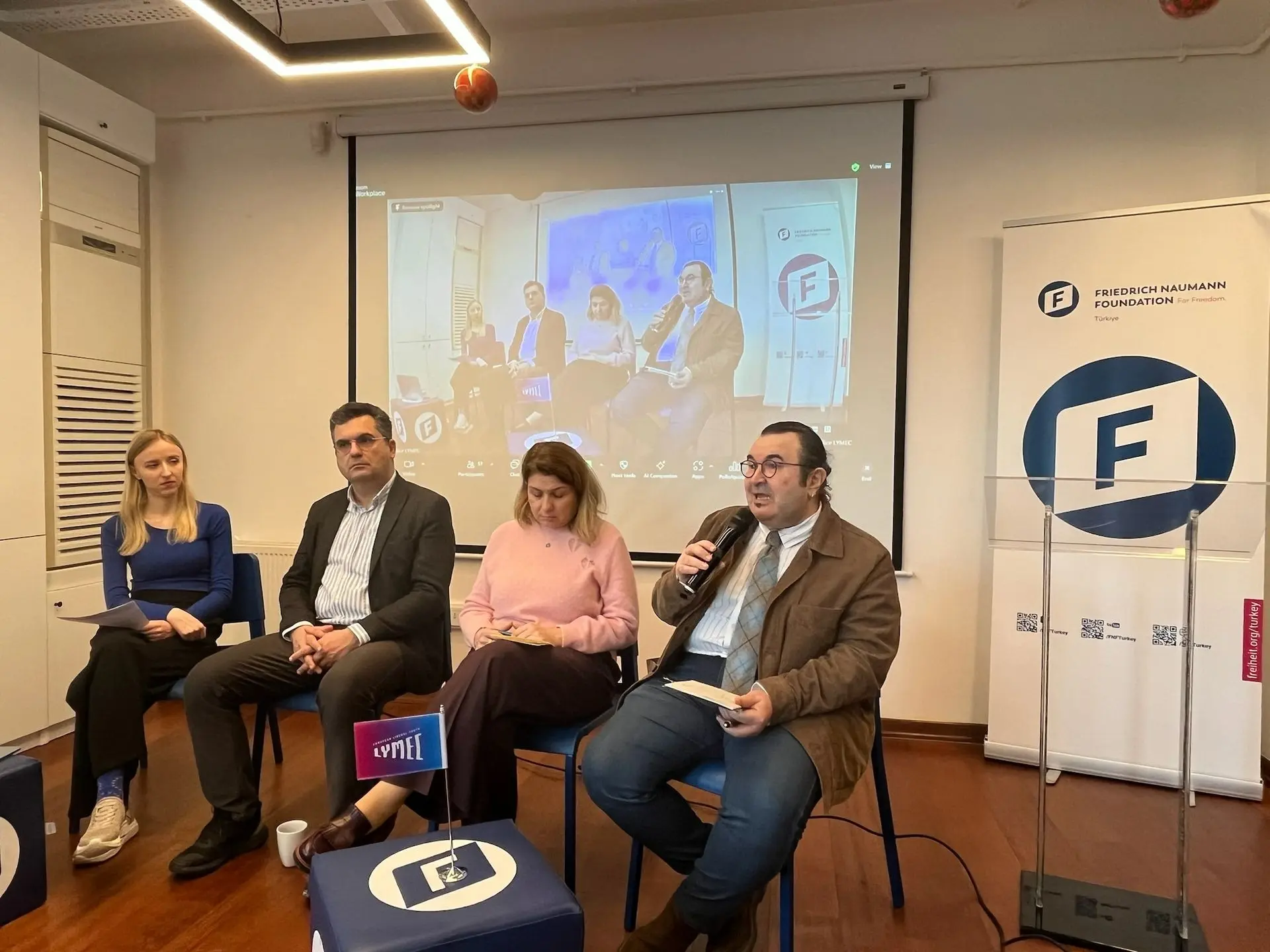
Moderated by Ines Holzegger and featuring speakers Burak Dalgin (Member of Parliament), Prof. Dr. Çiğdem Üstün (Secretary General at EDAM), and Prof. Salih Bıçakçı (Nişantaşı University), the panel provided a comprehensive look at the friction and potential within the EU–Türkiye security relationship.
A primary concern raised was the overly transactional nature of current ties, where the EU tends to engage Türkiye primarily on "firefighting" issues like migration or specific military needs rather than as a consistent, strategic partner. This approach, as Burak Dalgin and Prof. Üstün noted, has led to a significant fragility of trust and an erosion of the EU’s image in the eyes of the Turkish public. Prof. Bıçakçı further observed that since the Cold War, the relationship has lacked a clear, structured framework, often falling into a pattern of ad-hoc engagement that fails to address the shifting security dynamics of the modern era.
The discussion also delved into how regional conflicts and emerging threats are redefining this partnership. Regarding the war in Ukraine, the panel characterised Türkiye not just as a mediator but as a facilitator necessitated by geographic proximity and economic ties, while simultaneously calling for more equitable treatment for Türkiye within the NATO alliance.
Beyond traditional warfare, the speakers warned of the rising danger of hybrid threats, specifically how the data control held by tech giants can lead to cognitive manipulation and the destabilisation of democratic processes.
The session concluded with a call for modernisation, both in terms of policy tools like the Customs Union and in societal preparation, arguing that a stable future depends on moving away from mutual "concerns" and toward a multidisciplinary approach that prioritises critical digital skills and a trust-based, long-term strategic alliance.
Keynote: Youth Activism and Freedom of Expression
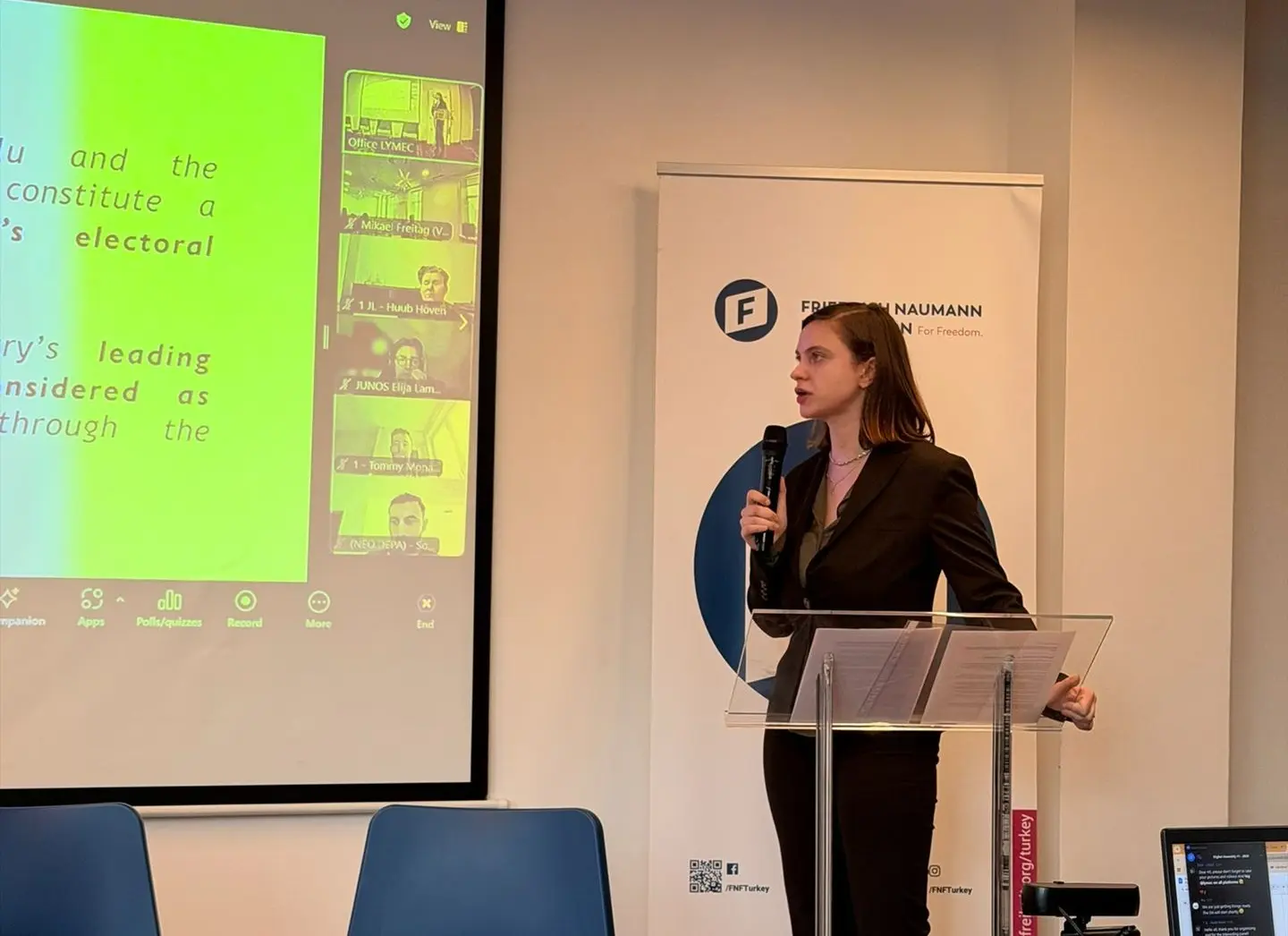
Sıla Demiral Özel (Foreign Relations Communications Specialist at Istanbul Municipality) then delivered a keynote on youth activism and civil society under pressure. She spoke about efforts to ensure that the voice of Mayor Ekrem İmamoğlu remained present despite his detention, and reaffirmed the commitment of young activists to a democratic future for Türkiye.
Click here to watch her interview with our President!
LYMEC Bureau Updates
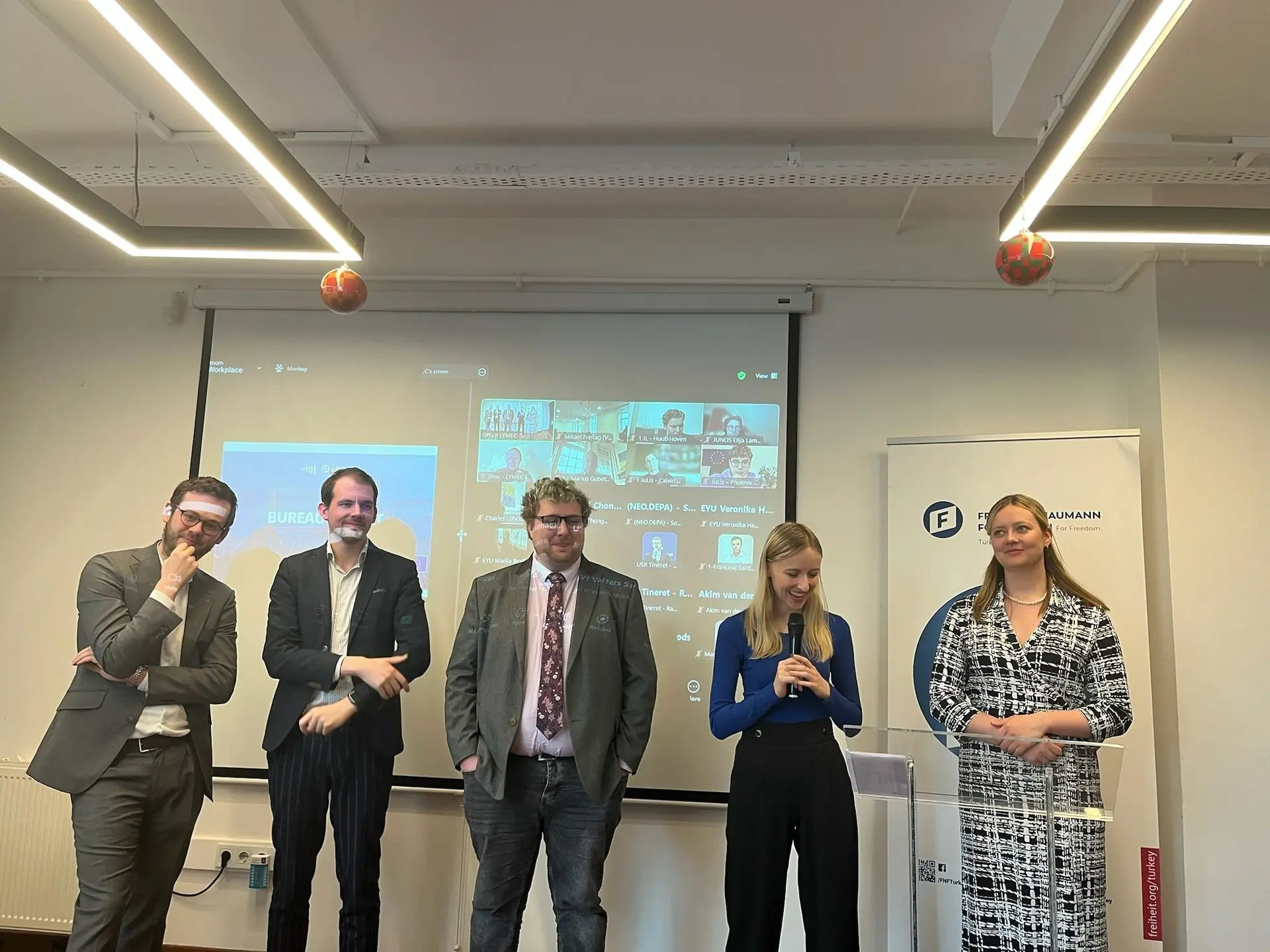
The LYMEC Bureau updates focused on organisational growth and accountability. Key priorities included addressing female participation and increasing engagement with Ukraine.
In a Q&A session, Bureau members highlighted the Code of Conduct for safety, the importance of fundraising for LYMEC’s 50th anniversary, and the need for strategic reflection on the organisation's future direction.
“Co-funded by the European Union. Views and opinions expressed are however those of the author(s) only and do not necessarily reflect those of the European Union or European Commission. Neither the European Union nor the granting authority can be held responsible for them.”
LYMEC Digital Assembly #1 - 2026 in Istanbul, Türkiye